
Old baseboard heater covers can make an otherwise practical room look neglected, especially when rust or visible damage interrupts an otherwise clean wall line. You’ll find the right fit faster by matching the cover length, heating system, and installation method before browsing.
The Essentials At A Glance

Baseboarders Basic 5 ft Steel Heater Cover, White

Baseboarders Premium 3 ft Steel Heater Cover, White
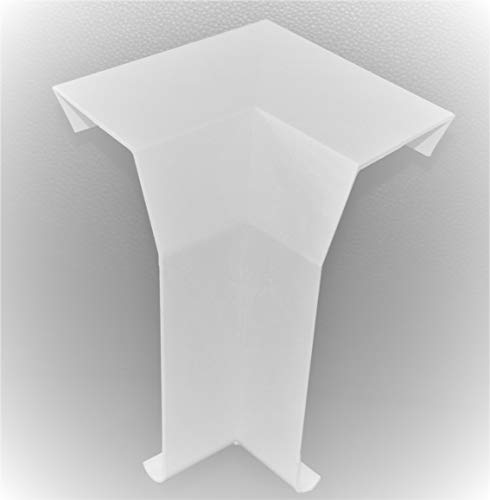
NeatHeat TALL Inside Corner Baseboard Cover

Baseboarders Basic Series 4 ft Galvanized Steel Cover

Saree 2 Pack 5 ft Covers

Tandefio 4 ft Heater Cover

Kikerike 3 Inch x 20 Feet Peel-and-Stick Baseboard Trim, White
More Details On Our Top Picks
A five-foot hydronic heater cover has to fit neatly, resist heat exposure, and leave the room looking finished. This Baseboarders model uses galvanized steel in 22- to 24-gauge construction, giving it more substance than a thin plastic cover while keeping the low-profile appearance practical.
Its slip-on design works well for replacing a rusty or damaged front without dismantling the heater. Two wall brackets, matching endcaps, and a corrosion-resistant white finish make it a sensible choice for a five-foot hot-water baseboard system.
Everyday Perks
- Tool-free slip-on installation simplifies a room refresh.
- Heavy-gauge galvanized steel adds a substantial feel.
- Left and right endcaps create a coordinated finish.
- Two wall brackets help secure the five-foot cover.
- A damp cloth handles routine surface cleaning.
Practical Considerations
- Measure your existing backplate and endcaps before ordering.
- This model is intended for hydronic hot-water systems, not electric heaters.
Quick Facts
Who It Suits Best
This cover fits homeowners replacing a five-foot hydronic heater front who want a steel construction and tool-free installation.
Where Another Pick Suits Better
Homeowners with a three-foot heater gain a more proportionate option from the Baseboarders Premium 3 ft Steel Heater Cover, White.
Shorter baseboard runs still need a complete face, and the Baseboarders Premium 3 ft Steel Heater Cover, White bundles the main panel, both endcaps, and two brackets. That arrangement suits compact hydronic installations where a five-foot panel would extend beyond the heater.
Compared with the Baseboarders Basic 5 ft Steel Heater Cover, White, this model makes more sense in a smaller room or a shorter heater run. You still receive galvanized steel, a white finish, and a no-tools installation approach.
Well-Handled Touches
- A complete three-foot kit avoids mixing separate panels and caps.
- Galvanized steel suits a hydronic heater’s warm environment.
- Tool-free fitting keeps the renovation focused.
Things To Consider
- The three-foot length must match your heater rather than merely sit close to it.
- Electric baseboard heaters require a different product category.
- Older endcaps may need removal before the new cover slides into place.
Made For
You benefit most from this option in a smaller room with a three-foot hydronic baseboard heater and matching existing backplate dimensions.
Consider Something Else When
A four-foot installation fits the Baseboarders Basic Series 4 ft Galvanized Steel Cover more closely than this shorter model.
An inside corner is the detail that separates a neat heater surround from an improvised collection of panels. This NeatHeat TALL accessory covers the corner where two oversized baseboard runs meet, giving the installation a more finished appearance.
Unlike the complete Baseboarders kits, this is an accessory rather than a full replacement cover. It works with NeatHeat TALL front covers and installs without special tools, so the surrounding system still needs compatible panels and any separate required accessories.
What Makes Sense
- It resolves the awkward junction between two baseboard runs.
- Installation requires no special tools for a tidy corner treatment.
Details To Watch
- It only works with the specified NeatHeat TALL front-cover system.
- Other necessary accessories are sold separately.
Core Details
The Right Fit
You’ll find this most useful with an oversized NeatHeat TALL installation where two front covers meet inside a corner.
A Better Fit Elsewhere
The Baseboarders Basic 5 ft Steel Heater Cover, White suits a standard five-foot hydronic run that needs a complete replacement kit.
A four-foot heater is common enough that a dedicated replacement should feel uncomplicated. This Baseboarders cover slides over the existing backplate and includes matching left and right endcaps, helping a worn front disappear beneath a uniform white face.
The galvanized steel construction is a practical alternative to plastic around a warm hydronic system, while the rust-resistant finish suits rooms where visible corrosion has become an eyesore. It’s a straightforward refresh rather than a full heating-system replacement.
Where It Excels
- Slip-on construction avoids a larger teardown.
- Galvanized steel gives the face a rigid, substantial feel.
- Matching endcaps simplify the corners.
- The white finish brightens a tired heater run.
Small Caveats
- Confirm that your existing heater is compatible with a four-foot slip-on cover.
Feature Snapshot
Who Will Love This
This cover suits you when a four-foot hydronic heater has a damaged front but a backplate that can accept a slip-on replacement.
Skip It When
The Tandefio 4 ft Heater Cover is the more practical choice for a replacement kit that includes both endcaps with a four-foot panel.
Two matching heaters in separate rooms make the Saree 2 Pack 5 ft Covers more convenient than arranging individual five-foot pieces. Each cover includes left and right endcaps, giving both installations a coordinated outer finish.
The slide-on method suits a straightforward visual refresh, while the stated dimensions target hydronic heaters no more than 7.5 inches from the floor to the top of the backplate and under 3.25 inches in element depth. Measure before ordering because those clearances are essential.
The Case For It
- Two covers support matching upgrades in separate areas.
- Endcaps accompany each five-foot panel.
- The tool-free slide-on method simplifies installation.
Trade-Offs To Consider
- The pair may be more than you need for a single heater.
- Your unit must meet the stated height and depth limits.
- The covers are intended for hydronic rather than electric heaters.
Best Suited To
You’ll get the most practical fit when replacing two compatible five-foot hydronic heaters in separate rooms.
Another Choice May Suit
The Baseboarders Basic 5 ft Steel Heater Cover, White better fits one installation that needs specified galvanized steel and wall brackets.
For a basic visual upgrade, the Tandefio 4 ft Heater Cover keeps the parts list short. One four-foot front and a pair of endcaps replace an old, rusty, or damaged cover without requiring professional installation.
Unlike the galvanized Baseboarders options, this listing doesn’t establish the same steel-gauge detail, so you’ll have less information about the cover’s material construction. Its clearer advantage is the focused four-foot kit, particularly when your heater length is under 48 inches.
Noteworthy Benefits
- One panel and two endcaps create a focused replacement kit.
- A four-foot size suits many medium-length heaters.
- The included pieces support a clean visual refresh.
Areas To Watch
- Your heater should be shorter than the stated four-foot panel length.
- Check the existing backplate and endcap dimensions before purchase.
Technical Highlights
Built With In Mind
This kit suits you when you want a straightforward four-foot replacement and can verify the heater’s dimensions before ordering.
Reach For A Different Pick When
The Baseboarders Basic 5 ft Steel Heater Cover, White offers a clearer choice for five-foot hydronic systems requiring heavy-gauge steel and mounting brackets.
Not every baseboard project involves a heater. The Kikerike 3 Inch x 20 Feet Peel-and-Stick Baseboard Trim, White belongs in the trim category, giving bathroom, garage, kitchen, cabinet, floor, and wall edges a finished PVC border.
Its flexible cove shape and self-adhesive backing suit quick cosmetic updates, particularly in damp rooms where an easy-to-clean surface is useful. The 20-foot length provides substantial coverage, although corners and wall contours still deserve care during application.
Notable Gains
- Peel-and-stick placement reduces the installation process.
- Moisture-resistant PVC suits kitchens and bathrooms.
- The flexible profile follows mild curves and edges.
- A 20-foot section covers a long room or several connected areas.
Points To Keep In Mind
- This is decorative trim, not a heater replacement cover.
- Measure the room before using the full 20-foot length.
- Surface preparation matters for a neat adhesive bond.
The Main Details
Whose Shelf It Belongs On
This trim fits you when finishing a bathroom, garage, kitchen, cabinet base, floor edge, or wall junction rather than covering a heater.
Look Elsewhere When
The Baseboarders Basic Series 4 ft Galvanized Steel Cover is the better option for replacing the front of a four-foot hydronic baseboard heater.
What Matters Before You Order a Baseboard Cover
Measure the Existing Heater
Start with the distance between the heater ends, the backplate height, and the space available behind the front panel. A nominal length only describes one dimension, so a 48-inch cover can still fail to fit a heater with unusual endcaps or a taller backplate.
Hydronic hot-water systems and electric baseboard heaters also use different cover designs. Confirm the heating type before selecting a replacement.
Match the Heating System
Hydronic covers fit hot-water baseboard systems, while electric heaters require a compatible electric cover. Corner pieces may also belong to a branded system, as with the NeatHeat TALL accessory, rather than working as universal fittings.
Compare Material and Installation
Galvanized steel provides a rigid finish around hydronic heat, while plastic trim serves a different decorative role. Slip-on covers simplify replacement, but the included brackets, endcaps, and system-specific accessories still shape the installation.
Avoiding Costly Cover Mistakes
Mistakes Worth Dodging
Choosing by room length alone can leave you with a cover that misses the actual backplate measurements. Measure height, depth, end spacing, and heater type before ordering.
Treating a corner accessory as a complete cover creates another avoidable mismatch. Confirm whether the listing includes a full front, endcaps, brackets, or only one specialized piece.
What Separates Premium From Basic
A basic kit may provide the main panel and endcaps, while a higher-tier set can add specified steel thickness, mounting brackets, and coordinated finishes. The upgrade is worthwhile for a hydronic heater that needs durable material and secure mounting.
For simple vinyl edging, extra heater-cover features add little value. Pay closer attention to profile, length, adhesive type, and moisture resistance instead.
Frequently Asked Questions
What size baseboard heater cover should you order?
Measure the heater’s overall length and backplate dimensions, then select the closest matching cover. The listed length should correspond to the actual heater rather than the room or wall section.
Do baseboard covers work with electric heaters?
Most of the heater covers listed here are designed for hydronic hot-water systems. Electric baseboard heaters require an electric-compatible cover, so confirm the heater type before buying.
Are slip-on baseboard heater covers difficult to install?
Slip-on covers generally use a tool-free or simple mounting approach and include endcaps or brackets for attachment. Existing fittings may need removal, so review the installation requirements and check your measurements first.
Can one cover suit heaters in separate rooms?
You need a separate cover for each heater, although a multipack can simplify matching installations. The Saree 2 Pack 5 ft Covers is designed for two five-foot units rather than one reusable cover.
What is the difference between a heater cover and vinyl baseboard trim?
A heater cover replaces the front of a hydronic or electric baseboard heater. Vinyl baseboard trim adds a decorative edge along walls, floors, cabinets, garages, or bathrooms and does not cover heating equipment.
Wrap Up
The right baseboard cover depends on three details: the heating system, the measured backplate, and the required length. Steel slip-on kits suit hydronic heater replacements, while specialized corners solve awkward junctions and flexible PVC trim handles ordinary decorative edges. Measure twice, identify the project type, and choose the cover that fits the space rather than relying on appearance alone.