
Duct insulation problems rarely announce themselves with a dramatic failure. More often, you notice warm attic air, a noisy dryer run, uneven room temperatures, or a seam that needs sealing before heat and moisture travel through the system. These options cover different jobs, from foil tape for duct joints to attic baffles, insulated flex duct, dryer hose, and specialized heater ducting.
A Fast Comparison Of The Options

Buck Aluminum Foil HVAC Tape, 2 Inch x 216ft, 3.6 Mil for Ductwork

Buck Aluminum Foil HVAC Tape, 3 Inch x 216ft, 3.6 Mil for Ductwork

Buck Aluminum Foil HVAC Tape, 4 Inch x 216ft, 3.6 Mil for Ductwork
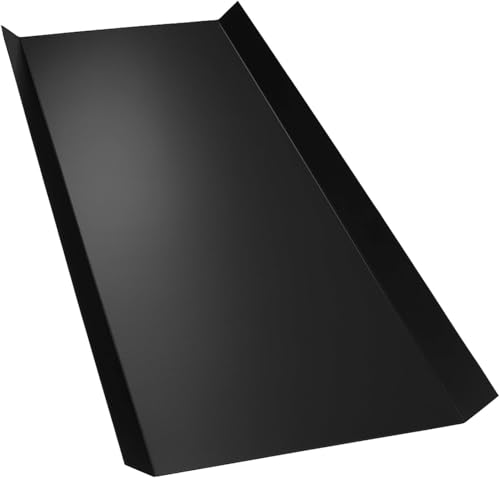
SmartBaffle 16 Attic Insulation Baffle for 14.5-Inch Rafter Bays, 2-Inch Air Channel, 36 Pieces

Pearwow 4 Inch x 26Ft Aluminum Dryer Vent Hose
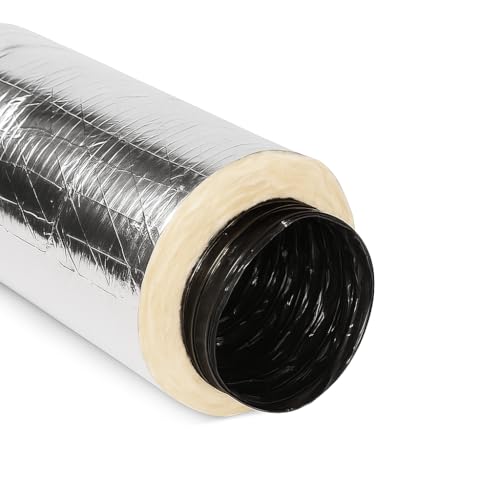
Generic 10 Inch x 25 Ft R6 Insulated Flexible HVAC Duct, Aluminum Core

Hon&Guan 3 Inch x 16 Ft Wire-Reinforced Duct
A Closer Look At Each Pick
A 2-inch roll makes sense when you are patching a narrow seam, joining a small section of metal duct, or sealing an accessible joint in a busy mechanical space. The aluminum construction and adhesive backing provide a practical barrier against air leakage, while the 216-foot length gives you plenty of material for repeated repairs.
This tape is most useful for sealing metal HVAC components, AC lines, dryer connections, and exhaust joints. The stated operating range of -40°F to 250°F suits demanding attic and mechanical environments, although surface preparation and application pressure still matter for a secure bond.
Benefits That Matter
- Three-point-six-mil foil balances tear resistance with manageable flexibility around fittings.
- The long roll reduces the need to replace tape during a multi-room repair project.
- Its narrow width fits confined seams that broader tape may cover unevenly.
Practical Considerations
- Wide flanges may require overlapping strips rather than a single pass.
- Check the installation temperature against the stated -40°F to 250°F range.
Quick Facts
Made For
This option suits homeowners and maintenance technicians handling small metal-duct seams, AC connections, and localized exhaust repairs.
Look Elsewhere When
Buck Aluminum Foil HVAC Tape in the 3-inch width suits installers who routinely cover broader flanges with fewer passes.
The 3-inch version strikes a practical middle ground between the narrower 2-inch roll and the wide 4-inch option. It gives you more overlap across common duct flanges without taking up as much room on a small fitting, which makes it an easy choice for a mixed repair kit.
For routine sealing around metal ductwork, AC lines, dryer hose connections, and exhaust vents, the aluminum backing helps limit air movement through joints. Its 216-foot length is generous, but the honest advantage appears most clearly when one roll must cover several jobs across a home or workshop.
Well-Handled Touches
- The 3-inch width covers common seams while remaining manageable around fittings.
- Aluminum foil tolerates moisture and ultraviolet exposure better than an ordinary decorative tape.
- The stated temperature range suits hot attics, furnace ducts, and outdoor HVAC components.
Small Caveats
- A very narrow flange may not need the full 3-inch width.
- Several shorter rolls can be easier to carry than one long roll.
Right Fit For
This roll fits maintenance kits serving homeowners, property managers, and HVAC technicians who regularly encounter mixed-width metal seams.
Another Choice May Suit
Buck Aluminum Foil HVAC Tape in the 4-inch width better matches large rectangular flanges and broad damaged areas.
Four inches of width changes the job more than it first appears. A broad strip can cover rectangular flanges, irregular patches, and multiple overlapping edges with less piecing together, so this roll favors repair coverage over compact storage.
Compared with the 2-inch and 3-inch Buck tapes, this version is less fussy around larger metal surfaces. It remains useful for duct joints, AC lines, dryer connections, and exhaust sealing, provided the roll has enough room in your toolbox and the work area can accommodate the wider material.
Useful Highlights
- The broad face simplifies coverage across large flanges and damaged metal edges.
- Three-point-six-mil foil offers useful tear resistance without behaving like rigid sheet metal.
- One 216-foot roll can handle repeated attic, utility-room, and workshop repairs.
Trade Offs
- The wider roll takes more storage space than the 2-inch or 3-inch version.
- Overhang can make careful trimming necessary around compact fittings.
Who Should Grab It
This option is a sensible fit for technicians and serious home maintainers who routinely repair broad duct flanges and metal seams.
Where A Sibling Pick Shines
Buck Aluminum Foil HVAC Tape in the 2-inch width is more convenient for small repair kits and confined fittings.
Attic insulation can gradually cover the open channel between rafters and roof vents. SmartBaffle creates a defined route for that air to continue moving while the surrounding insulation stays in place, making it a useful addition to attic work rather than a duct repair tape.
The 36-piece pack is designed around 16-inch on-center framing with 14.5-inch rafter bays. Its 2-inch channel gives installers a visible target during insulation placement, which can help maintain ventilation around soffit and roof vent areas.
What Helps Most
- Polyethylene construction tolerates the handling expected during attic installation.
- The defined channel helps keep loose insulation away from roof ventilation paths.
- Thirty-six pieces provide useful coverage across multiple framing bays.
Points To Note
- Measure your rafter spacing before ordering because the listed size is specific.
- Each piece must be cut or positioned to match the actual bay length.
Feature Snapshot
Built With In Mind
This product fits homeowners installing attic insulation in standard 16-inch framing who want to protect roof ventilation channels.
Reach For A Different Pick When
Generic 10 Inch x 25 Ft R6 Insulated Flexible HVAC Duct suits residential heating and cooling runs rather than attic ventilation paths.
Moving air around an obstruction is where flexible duct earns its place. Pearwow combines an aluminum-foil inner layer, PVC outer covering, and a stainless-steel support ring in a 4-inch tube, giving you a manageable option for dryer exhaust, HVAC ventilation, fan-filter connections, and similar air routes.
The 26-foot length can cover a dryer connection or reach a remote exhaust point, depending on the building layout. Unlike the attic baffle, this item forms a complete passage; unlike the 10-inch residential flex duct, it is aimed at smaller equipment and auxiliary ventilation tasks.
Strengths Worth Knowing
- Aluminum foil, PVC covering, and a steel ring create a layered tube.
- The flexible shape routes around closets, beams, and other obstructions.
- Twenty-six feet provides useful reach for dryer and exhaust installations.
Some Limits To Know
- Confirm that the connected port has a 4-inch diameter.
- Plan a smooth route because sharply bent tubing can restrict airflow.
Key Details
The Right Fit
This hose suits homeowners and installers connecting 4-inch dryers, exhaust equipment, fan filters, or ventilation accessories.
Swap It Out When
Generic 10 Inch x 25 Ft R6 Insulated Flexible HVAC Duct better serves a residential supply or return-air run requiring a larger diameter.
This 10-inch flexible duct is built for a distinct residential job: moving conditioned air between HVAC components and distribution points. R6 describes the material’s thermal resistance, meaning it resists heat transfer more effectively than an uninsulated tube and helps limit temperature loss along the run.
The aluminum inner core supports airflow, while the surrounding insulation and outer jacket protect the duct assembly. A 25-foot length also gives you room to navigate a basement, crawlspace, or framed utility area, though the 10-inch diameter requires compatible transitions and fittings.
Noteworthy Benefits
- R6 insulation supports a more consistent air temperature along the duct run.
- Flexible construction makes complicated routes around framing more practical.
- The aluminum core provides a smooth inner surface for residential air distribution.
Where It May Fall Short
- Existing plenums and transitions must accept a 10-inch diameter.
- The bulk of insulated flex duct requires more space than bare metal duct.
Technical Highlights
Best Suited To
This duct fits residential heating and cooling projects with compatible 10-inch components and space for a flexible insulated run.
A Better Fit Elsewhere
Pearwow 4 Inch x 26Ft Aluminum Dryer Vent Hose better suits a 4-inch dryer or auxiliary exhaust connection.
The Hon&Guan hose serves a specialized rather than general residential HVAC role. Its 3-inch diameter fits compact diesel-heater, exhaust-fan, carbon-filter, or hooded-light connections, while wire reinforcement helps the tube resist collapsing during routing.
Three layers of black PVC form the outer construction and limit visible light from passing through the duct. That makes it a sensible choice for enclosed equipment cabinets or dark ventilation installations where a plain translucent tube would not serve the same practical purpose.
Points In Its Favor
- Wire reinforcement adds shape to the flexible 3-inch tube.
- Black PVC blocks light from entering connected ventilation equipment.
- The 16-foot length offers useful reach for compact routing systems.
Potential Compromises
- Confirm that the heater or equipment port accepts a 3-inch connection.
- It is less appropriate for a standard residential supply-air run.
Core Details
Who Will Love This
This duct suits diesel-heater owners and installers working with compact 3-inch exhaust, intake, or filtration equipment.
Not Your Match When
Generic 10 Inch x 25 Ft R6 Insulated Flexible HVAC Duct fits residential heating and cooling systems requiring a larger insulated run.
What Matters Before You Choose Duct Insulation
Match The Product To The Air Path
Air duct insulation is not one universal material. Foil tape addresses a leaky joint, an attic baffle preserves a ventilation channel, and insulated flex duct forms an entire air route. Start by identifying whether the problem is a seam, an obstructed attic vent, a dryer connection, or a complete residential run.
Measure Before Ordering
Diameter and framing dimensions determine compatibility. Measure the duct opening, rafter bay, or equipment port and compare it with the listed size before making a purchase. A close match prevents the extra effort of adapting a component that does not fit the existing system.
Consider Heat, Moisture, And Routing
Aluminum foil tape handles sealing, while polyethylene attic baffles separate insulation from ventilation paths. The R6 flex duct adds thermal resistance, and the Pearwow hose combines foil and PVC layers for smaller exhaust routes. Temperature exposure, moisture, bend radius, and available storage all influence the practical choice.
Check The Entire Connection
The flexible tube is only one part of a working installation. Compatible fittings, transitions, support, and secure connections matter as much as the insulation material. Taking measurements and mapping the route before ordering helps prevent a mismatch at installation time.
Avoid Common Air Duct Mistakes
Mistakes Worth Dodging
Buying foil tape for an attic baffle job, or using an attic baffle to seal a duct leak, solves the wrong problem. Check diameter, framing size, temperature range, and the role the material must perform. Avoid selecting a long roll for a small repair before considering storage and handling.
What Separates Premium From Basic
A higher insulation rating or layered construction adds value where heat transfer, moisture, or physical routing matters. Basic foil tape remains the practical choice for narrow seams, while a complete insulated flex duct is more relevant for a full residential air run. Pay for the construction your connection actually needs.
Frequently Asked Questions
What Size Of Air Duct Insulation Do I Need?
Measure the opening, rafter bay, or pipe you intend to cover and compare it with the product dimensions. The right fit depends on the actual connection rather than a general household estimate.
Is Aluminum Foil Tape The Same As Duct Insulation?
No. Foil tape seals joints and small gaps, while insulated duct forms an entire airflow passage with thermal insulation. Each serves a different part of the system.
Do Attic Insulation Baffles Stop Air Leaks?
No. They preserve an open ventilation channel around roof vents while insulation is installed nearby. They support attic airflow rather than seal a metal duct joint.
Can Flexible Duct Replace Rigid Duct?
It can connect compatible equipment and negotiate curves, but it remains a different assembly. Confirm the diameter, fittings, routing space, and required insulation before replacing rigid pipe.
Which Option Works For A 4-Inch Dryer Vent?
Pearwow 4 Inch x 26Ft Aluminum Dryer Vent Hose is designed around a 4-inch connection and flexible exhaust routing. Confirm your dryer outlet size and plan a smooth bend before installation.
Wrap Up
The right air duct insulation depends on the connection you need to protect. Choose Buck foil tape for seams, SmartBaffle for attic ventilation channels, Pearwow for 4-inch flexible routing, or the R6 flex duct for a full residential air run. Measure first, then match the material to the job rather than treating every air leak the same.