
A thin sheet of veneer can transform a plain cabinet panel, tabletop, or craft project, but the wrong adhesive can leave a visible glue line or make clamping unnecessarily difficult. You need a formula that suits the wood, veneer finish, and size of the job, whether you are restoring furniture, tackling outdoor panels, or making a small repair at the kitchen table.
The seven options below cover general woodworking, fast-setting craft work, water-resistant assemblies, low-visibility bonds, dark wood tones, and larger workshop projects. Each one offers a different practical advantage, so your best choice comes down to the surface, appearance, and working time your veneer project actually requires.
Your Options, Compared

Titebond Original Wood Glue 5062 for Woodworking, 4 oz

Titebond Quick & Thick 2404

Titebond II Wood Glue 5006

Titebond Translucent Wood Glue 6123, 8 oz
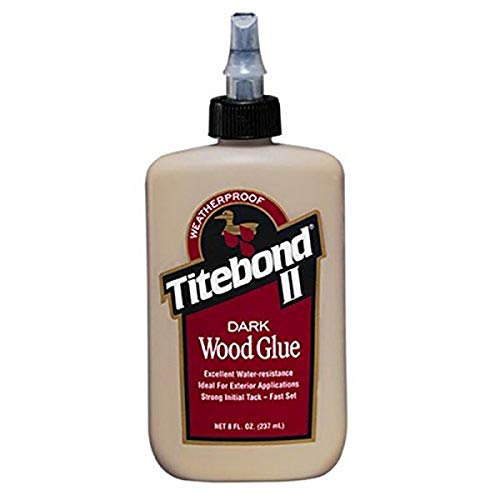
Titebond Dark Glue 3703

Titebond-3 Glue 1412, 4 oz

Titebond Speed Set Wood Glue 4366, 1 Gal
The Details Behind The Selections
Titebond Original 5062 covers the broad middle ground for cabinet repairs, furniture assembly, and small veneer panels. The 4-ounce bottle is easy to control, while the fast-setting formula suits a weekend project where you do not want a complicated clamping schedule. For most home woodworkers, that balance makes more sense than buying a large format for one small repair.
Its aliphatic resin formula is the binder used to join the surfaces, and the manufacturer describes the resulting bond as stronger than the wood itself. Strong initial tack means the pieces grab quickly, while the fast set reduces the amount of time they must remain clamped. That behavior is particularly useful when fitting a thin veneer sheet flat across a larger panel.
A Strong Showing
- Fast setting shortens the period your workbench stays occupied by clamped pieces.
- The strong initial tack helps prevent thin veneer from shifting during alignment.
- A compact bottle works well for furniture repair, modeling, and household projects.
- It suits both assembly and individual joints without requiring a separate craft adhesive.
Points To Note
- The 4-ounce size may run short for a large cabinet or a sequence of veneers.
- Fast setting leaves less time to reposition pieces, so test the fit before applying glue.
Key Specs
Made For
Weekend woodworkers and first-time furniture restorers need a dependable general-purpose adhesive for manageable veneer and wood repairs.
Where Another Pick Suits Better
Titebond Speed Set Wood Glue 4366 suits workshop users who regularly assemble larger batches and need a shorter stated clamp time.
A craft table covered with ceramic pieces, leather strips, and offcuts of wood calls for a more adaptable adhesive than a dedicated wood glue. Titebond Quick & Thick 2404 fits that mixed-material situation. Its 16-ounce container provides more working material than the smaller picks here, making it useful for a collection of repairs rather than a single joint.
The formula is three times as thick and two times as fast-drying as traditional PVA, according to the manufacturer. PVA is shorthand for polyvinyl acetate, a common adhesive base; greater thickness improves initial holding, while faster drying reduces the wait before handling. Compared with Titebond Original 5062, this option leans toward crafts, porous materials, and projects that involve more than wood.
Everyday Wins
- The thick formula provides substantial initial tack for lightweight craft pieces.
- Fast drying shortens the waiting period between assembly and handling.
- It bonds wood, ceramic, pottery, stone, glass, fabric, and leather.
- The 16-ounce bottle supports multiple household and workshop projects.
Where It May Fall Short
- Multi-surface compatibility does not make it suitable for every plastic or coated surface.
- Quick drying leaves less opportunity to adjust a misaligned veneer edge.
Feature Snapshot
The Right Fit
Crafters and DIY hobbyists benefit most when one project combines thin veneer with ceramic, leather, fabric, or other porous craft materials.
Consider Something Else When
Titebond II Premium Wood Glue 5006 is a stronger match for an exterior wood assembly that needs water resistance rather than broad craft compatibility.
An outdoor cabinet or plant project places more demand on an adhesive than a protected indoor joint. Titebond II Wood Glue 5006 is formulated for water resistance and exterior applications, giving it a clear advantage over general-purpose indoor wood glue. Its one-gallon container also suits a large run of furniture parts without repeated refills.
The honey cream color and strong initial tack make it practical for conventional wood assembly, including veneer applied to a compatible wood substrate. Fast setting helps reduce clamping time, while its sandability lets you smooth the joint after curing. Unlike Titebond Quick & Thick 2404, this choice concentrates on wood bonding and moisture exposure rather than mixed craft surfaces.
What Works In Its Favor
- Water resistance supports exterior furniture and veneer-covered outdoor components.
- The gallon container handles large assemblies and repeated workshop use.
- Strong initial tack and a fast set reduce the burden of extended clamping.
- Sandability makes the cured joint easier to smooth during final finishing.
Practical Considerations
- Water resistance does not make the joint suitable for standing water or every outdoor condition.
- The honey cream color may be more noticeable than a translucent formula on pale wood.
Quick Facts
Built With In Mind
Furniture makers and outdoor hobbyists benefit most when veneer will be exposed to changing moisture levels during its service.
A Better Fit Elsewhere
Titebond Translucent Wood Glue 6123 serves decorative indoor projects where a nearly invisible dried glue line matters more than exterior moisture resistance.
Visible glue lines can spoil a carefully matched veneer edge, particularly on a decorative panel viewed from close range. Titebond Translucent Wood Glue 6123 dries translucently, creating a nearly invisible line that suits that kind of appearance-sensitive work. The 8-ounce bottle gives you enough adhesive for several small panels without taking up much space near the sink.
Its quick grab helps hold narrow pieces together, while the fast set reduces clamping time. The cured adhesive is sandable and compatible with finishes, so the joint can move through the normal finishing process. Compared with the honey cream Titebond II Wood Glue 5006, this formula places more emphasis on visual continuity than exterior moisture resistance.
Useful Touches
- The translucent dried line stays visually subtle on finished decorative surfaces.
- Fast-setting behavior keeps small veneer assemblies off the clamp longer.
- Sandability supports smoothing the joint before stain or another finish is applied.
- It accommodates lumber, particleboard, leather, and common craft projects.
The Fine Print
- Check the planned finish and substrate combination before committing to a translucent adhesive.
Who Will Love This
Furniture restorers and decorative crafters benefit most when the bonded edge will be prominently displayed after finishing.
Not Your Match When
Titebond II Premium Wood Glue 5006 better serves an exterior veneer project where water resistance is the central requirement.
Matching a pale adhesive line to walnut, mahogany, or another dark veneer calls for a different approach from transparent glue. Titebond Dark Glue 3703 uses a light brown color intended to blend more naturally with dark wood. That makes it a useful option for small repairs, edge repairs, and decorative pieces where the joint remains noticeable even after sanding.
The formula is a cross-linking polyvinyl acetate adhesive, or PVA, which is a common wood-binding chemistry. Its specialized color is the decisive advantage here rather than a broader material list. Compared with Titebond Translucent Wood Glue 6123, the brown tone is easier to hide on dark surfaces but less suitable for a light-colored veneer where the adhesive would show.
The Value In It
- The light brown color is intended to blend with darker wood surfaces.
- Model 3703 gives woodworkers a focused option for dark-toned repairs.
Some Limits To Know
- The 8-ounce quantity suits small batches rather than continuous cabinet work.
- Test the brown tone against your veneer and planned finish before completing a visible seam.
Core Details
Best Suited To
Woodworkers restoring dark veneer appreciate this option when the adhesive line may remain visible around the repaired edge.
Another Choice May Suit
Titebond Original Wood Glue 5062 better fits light woods and general furniture assembly where appearance is less of a concern.
Franklin International Titebond-3 Glue 1412 is the compact choice here, with a four-ounce package that fits comfortably in a small tool kit. That scale makes sense for a household touch-up, a model, or one carefully fitted veneer patch. It avoids leaving a large quantity of adhesive open on a shelf after a modest repair.
The tan color gives you a visible finish to account for during project planning. Depending on the veneer, the adhesive may need to remain hidden beneath an edge, be sanded flush, or be accepted as part of the repair. Model 1412 is the product identifier to keep in mind when comparing it with other Titebond formulas or checking a project’s material requirements.
Positive Takeaways
- The four-ounce bottle suits occasional touch-up work.
- The tan color fits projects where a neutral or darker adhesive would be conspicuous.
- Model 1412 provides a clearly identifiable option within the Titebond range.
Details To Watch
- Confirm that the adhesive’s material guidance covers the exact veneer and substrate in your project.
- The small package may be inconvenient for a full cabinet or repeated workshop tasks.
Whose Shelf It Belongs On
Home hobbyists and repair workers benefit most from a small package intended for occasional, carefully sized projects.
Reach For A Different Pick When
Titebond Speed Set Wood Glue 4366 better serves a workshop that handles larger batches and values a stated 15-minute clamp time.
A production bench rarely has room for one assembly at a time, so clamp time can determine how many pieces move through a workshop each day. Titebond Speed Set Wood Glue 4366 uses a stated 15-minute clamp time and comes in a one-gallon container. That combination makes it a practical choice for repeatable furniture work, cabinet assembly, or a series of matching veneer panels.
High-solids PVA contains a higher proportion of adhesive solids, which supports fast setting and gap filling. The manufacturer also describes the cured bond as stronger than the wood itself. Sandability and compatibility with finishes help the joint fit into a normal finishing sequence, while water cleanup makes the adhesive easier to manage around the workshop.
What It Does Well
- The stated 15-minute clamp time helps assemblies move through the workshop more quickly.
- A gallon container supports repeated furniture and cabinet-building work.
- High-solids PVA is designed to fill small gaps in imperfectly matched joints.
- Fast setting reduces the period your clamps remain tied up.
- Water cleanup simplifies adhesive removal from tools and work surfaces.
Trade-Offs To Consider
- Even a 15-minute clamp time requires a firm, accurate fit before assembly begins.
- The gallon container needs suitable storage and may be more than a small project requires.
Technical Highlights
Who Should Grab It
Furniture makers and production-oriented hobbyists benefit most when short clamp times and a large container matter every day.
Swap It Out When
Titebond Translucent Wood Glue 6123 better fits a small decorative project where a nearly invisible dried glue line is the main concern.
What Matters Before You Glue Veneer
Start With The Veneer Job
Begin with the surface you are bonding, not merely the appearance of the finished panel. A wood-on-wood joint needs a formula suited to wood, while a mixed-material repair may call for broader compatibility. Thin veneer also needs enough initial holding to stay flat, and a small gap may require an adhesive designed to fill irregularities.
Color And Finish Visibility
A pale or transparent adhesive can be difficult to see against dark veneer, while brown glue may stand out on light wood. Translucent formulas suit visible edges when the dried line needs to recede. Whatever color you select, test the finished surface and plan how the joint will be sanded, stained, or otherwise finished.
Set Time And Project Scale
Fast-setting formulas shorten clamp time, but they also reduce your window for adjusting a misplaced sheet. Larger assemblies benefit from a container that will not run out halfway through, while one small repair rarely needs a gallon. Match the package size and working time to the number of pieces you expect to assemble in one session.
Avoiding Common Adhesive Mistakes
Mistakes Worth Dodging
Do not choose a glue solely by its dry color, since the finished surface and application method can change how a seam appears. Avoid clamping before confirming that the adhesive suits both veneer and substrate, and do not leave a fast-setting formula longer than necessary while expecting unlimited adjustment time.
What Separates Premium From Basic
Water resistance, a nearly invisible line, a specialized dark tone, and a large fast-setting package each address a different project demand. Paying more for those attributes makes sense when moisture, appearance, or workshop throughput is central, while a small indoor furniture repair may need little more than a dependable general-purpose wood glue.
Frequently Asked Questions
Which adhesive is most suitable for wood veneer?
Titebond Original Wood Glue 5062 is a practical general choice for common furniture and cabinet repairs. Its fast-setting wood formula suits projects where quick initial holding and a straightforward application matter.
Is Titebond II Wood Glue 5006 suitable for exterior use?
Titebond II Wood Glue 5006 is formulated with water resistance for exterior applications. It remains most appropriate when the veneer is attached to a compatible wood substrate and the assembly is exposed to changing moisture rather than constant water.
Can Titebond Quick & Thick 2404 bond craft materials?
Yes, Titebond Quick & Thick 2404 is designed for wood, ceramic, pottery, stone, glass, fabric, leather, and many other craft materials. Confirm the compatibility of the exact surface and finish before using it on specialized plastics or coatings.
Should I choose translucent or dark wood glue?
Translucent glue is better suited to visible decorative veneer where the dried line should recede. Titebond Dark Glue 3703 offers a light brown tone that can blend more naturally with suitable darker wood surfaces.
Does Titebond Speed Set Wood Glue 4366 reduce clamp time?
Yes, Titebond Speed Set Wood Glue 4366 has a stated 15-minute clamp time. You still need to align and secure the pieces properly during that period, but the shorter hold can improve workshop throughput.
Final Verdict
Titebond Original Wood Glue 5062 covers the broadest everyday veneer repair needs, while the other choices sharpen the decision around moisture, visibility, material compatibility, or workshop volume. Start with the conditions your finished project must handle, then choose the smallest option that meets those needs. A deliberate choice now leads to a cleaner joint and a smoother finishing process later.