
A chipped stair edge or an unfinished wall-to-floor joint can make a room feel neglected, especially in a busy kitchen, entryway, or rental property. Aluminum trim handles exposed stair corners, while flexible vinyl baseboard creates a cleaner transition and helps protect walls during everyday use. These options suit DIY projects, home refreshes, and longer renovation runs where installation speed and material fit matter.
An Overview Of The Picks

sunwings 48 Inch Aluminum Peel and Stick Stair Nosing, 5-Pack, Matte Black, Waterproof

Duzzy Flexible Baseboard Molding Trim 6 Inch x 40 Feet, Black

Duzzy Flexible Baseboard Molding Trim 4 Inch x 100 Feet

Duzzy Flexible Baseboard Molding Trim 6 Inch x 100 Feet

Duzzy Flexible Baseboard Molding Trim 4 Inch x 60 Feet
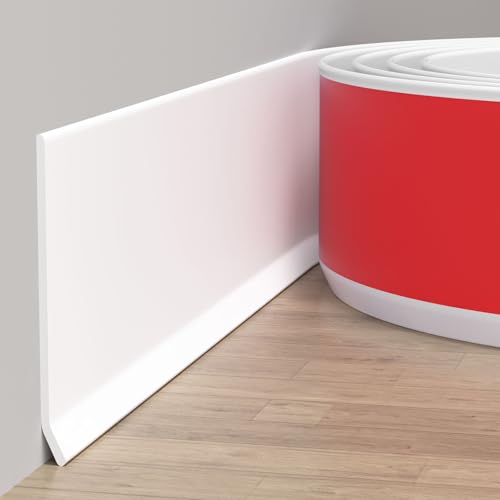
Duzzy Flexible Baseboard Molding Trim 4 Inch x 200 Feet

Duzzy Flexible Baseboard Molding Trim 5 Inch x 60 Feet
A Breakdown Of The Leading Choices
Exposed stair corners catch shoes, vacuum tips, and daily scuffs, so a 48-inch aluminum nosing gives you a broader repair surface than a short decorative cap. The peel-and-stick format suits quick entryway updates, while the five-pack covers several steps without requiring each length to be cut separately.
Unlike the vinyl baseboards later in this list, this aluminum piece is shaped for stair edges and includes thickened serrated grooves for traction. For most homes, the matte black finish also coordinates well with dark treads and contemporary stair hardware, though you’ll want to check the color against your existing steps.
Reasons It Performs
- Aluminum construction provides a rigid barrier for exposed stair edges.
- Waterproof and rust-resistant properties suit both indoor entries and outdoor steps.
- Serrated grooves add a textured surface where foot placement matters.
- The 48-inch length can cover most standard stair edges with fewer joints.
- Five included pieces support a coordinated multi-step project.
Worth Noting
- Measure each tread before ordering because the fixed 48-inch length may need trimming.
- Matte black may not blend with beige, natural wood, or white stair finishes.
Quick Facts
Built With In Mind
This option best fits homeowners protecting several standard-width indoor or outdoor stair edges with a coordinated, no-fastener installation.
A Better Fit Elsewhere
Duzzy Flexible Baseboard Molding Trim 4 Inch x 100 Feet suits a long wall-and-floor transition rather than a stair tread.
A six-inch profile can bridge a visible wall gap while giving the floor edge a finished appearance. The 40-foot roll is compact enough for a single room or a pair of connected spaces, making it more practical than the 100-foot Duzzy options for a modest refresh.
The flexible vinyl construction can follow slight wall and floor irregularities, while the toe-style shape helps disguise the junction. In a kitchen, bathroom, or entryway, the self-adhesive backing reduces the need for separate fasteners, provided the surface is smooth and properly prepared.
Noteworthy Benefits
- The broad six-inch height covers more of the wall transition.
- Flexible vinyl fits around minor surface variations.
- Adhesive installation suits quick room-by-room projects.
- The black finish provides a clean contrast with lighter floors and walls.
Small Caveats
- The 40-foot length is shorter than several other rolls in the list.
- Installation depends on a smooth, clean bonding surface.
- The taller profile may stand out more in a narrow room.
Technical Sheet
Made For
This trim works well for renters or homeowners refreshing one bathroom, kitchen, or entryway where a six-inch profile and modest roll length suit the space.
Reach For A Different Pick When
Duzzy Flexible Baseboard Molding Trim 4 Inch x 200 Feet better serves a whole-property project requiring much more continuous length.
For an apartment refresh, 100 feet offers enough material to cover several rooms without the bulk of the 200-foot version. The four-inch height is a restrained middle ground, covering a narrow floor gap without visually taking over a compact wall or hallway.
Compared with the six-inch Duzzy option, this trim leaves more of the wall visible, which can suit rentals where the goal is practical protection rather than a pronounced architectural detail. The flexible adhesive-backed vinyl is especially useful around tile, wood, marble, glass, and lacquered surfaces.
The Practical Payoff
- Four-inch height creates a balanced, low-profile transition.
- One hundred feet suits several connected rooms or a larger hallway.
- Flexible material can follow modest curves along a wall.
- The self-adhesive backing supports installation without separate screws.
Practical Considerations
- Measure the full wall perimeter before ordering to avoid a short roll.
- Rougher walls can limit the bonding area, so check surface smoothness first.
Right Fit For
This option best fits apartment tenants and homeowners covering multiple modest wall lengths with a discreet four-inch baseboard.
Another Choice May Suit
Duzzy Flexible Baseboard Molding Trim 6 Inch x 40 Feet better matches a single room with a wider visible gap and a more prominent black base.
The six-inch height and 100-foot length create a practical middle ground for a large room where a shorter roll would be limiting and a 200-foot roll would be unnecessary. It can conceal a wider floor-to-wall transition while giving the baseboard a clearly defined finished edge.
You may find this length more manageable than the 200-foot option when working around a basement, sunroom, or main living area. The flexible vinyl and self-adhesive construction also make it useful for fast fixes around smooth tile, wood, marble, glass, or painted walls.
What Stands Out
- Six-inch coverage provides a substantial visual transition.
- One hundred feet handles longer room runs.
- Flexible vinyl accommodates moderate surface curves.
- Adhesive installation keeps the process straightforward.
- The broad profile can shield lower walls from furniture contact.
Details To Watch
- The taller profile may feel visually heavy in a small hallway.
- Corners and joints require careful alignment for a continuous appearance.
- Adhesive performance depends on a clean, smooth application surface.
Feature Snapshot
Whose Shelf It Belongs On
This roll fits homeowners covering a large, smooth-surfaced room who want broad coverage without the storage demands of a 200-foot length.
Swap It Out When
Duzzy Flexible Baseboard Molding Trim 4 Inch x 60 Feet better suits a medium room where a lower profile and less material are preferable.
Sixty feet gives you room to cover a medium wall run without committing to one of the longer rolls. The four-inch profile is subtle enough for a hallway or apartment, while the flexible vinyl provides a practical way to cover an exposed wall-to-floor junction.
For routine household updates, this is a sensible middle option between the compact 40-foot Duzzy trim and the longer 100-foot choices. The adhesive backing simplifies installation, although smooth flooring or wall finishes remain important for a secure fit.
A Few Highlights
- Sixty feet suits a medium room or several shorter wall sections.
- The four-inch profile blends well with compact spaces.
- Flexible vinyl can follow minor unevenness along a surface.
Where It May Fall Short
- It may run short for a large living room or hallway.
- Textured walls offer less bonding area than smooth surfaces.
- The four-inch height covers less of a wide gap than six-inch models.
Key Product Details
Who Will Love This
This option suits apartment residents, homeowners, and landlords completing a medium-sized room with a clean, low-profile baseboard transition.
Look Elsewhere When
Duzzy Flexible Baseboard Molding Trim 5 Inch x 60 Feet better fits a wall with a slightly wider gap that needs more visual coverage.
Two hundred feet shifts the decision from a small room repair to a broader property update. You can cover multiple interiors, a basement, or several rental units without stopping for frequent roll changes, while the four-inch height keeps the profile fairly restrained.
For large renovation days, continuity becomes the practical advantage. The flexible adhesive-backed vinyl suits smooth tile, wood, marble, glass, and lacquered walls, though you’ll need adequate storage for the roll and enough working space to unroll it as needed.
The Value In It
- Two hundred feet supports extensive wall coverage.
- Fewer roll changes simplify multi-room projects.
- The four-inch profile remains suitable for compact corridors.
- Flexible vinyl works across several smooth surface types.
- Self-adhesive installation avoids a separate fastening setup.
Trade Offs
- The long roll requires storage space and careful handling.
- Unused material may be difficult to use once the job is complete.
- A four-inch profile may not cover unusually wide wall gaps.
Built With In Mind
This roll best fits landlords, property managers, and homeowners completing several rooms or a basement in one continuous project.
Where A Sibling Pick Shines
Duzzy Flexible Baseboard Molding Trim 6 Inch x 40 Feet better suits a single room where a wider profile matters more than total coverage.
A five-inch profile offers a visual compromise between the restrained four-inch options and the broader six-inch trims. It works particularly well when the floor sits slightly away from the wall, where a smaller baseboard might leave too much of the junction exposed.
The 60-foot length suits a medium room or a collection of shorter spaces, while the flexible vinyl follows gentle changes in the wall line. Its 0.07-inch thickness keeps it comparatively slim, so you gain coverage without as bulky an edge as some taller alternatives create.
Advantages To Know
- Five-inch coverage bridges wider gaps than four-inch trim.
- The slimmer profile remains less bulky than six-inch options.
- Sixty feet provides practical coverage for medium rooms.
- Flexible construction follows slight wall irregularities.
- The adhesive backing simplifies fast room updates.
Possible Compromises
- It offers less total length than the 100-foot and 200-foot rolls.
- Textured walls may not provide enough contact for the adhesive.
At A Glance
The Right Fit
This option suits homeowners who want more gap coverage than a four-inch profile while keeping a slimmer appearance in a medium-sized room.
Consider Something Else When
Duzzy Flexible Baseboard Molding Trim 6 Inch x 100 Feet better serves large rooms with a wider transition and greater material coverage.
What Matters Most Before You Order
Match the profile to the gap
Measure both the wall-to-floor gap and the visible space you want the trim to cover. Four-inch options create a restrained finish, while five- and six-inch profiles cover larger gaps and produce a more substantial border. Profile refers to the molding’s visible height, not its depth.
Check the surface before using adhesive trim
Self-adhesive molding works best on smooth, clean surfaces such as tile, wood, marble, glass, and lacquered walls. Textured drywall or dusty flooring reduces the available bonding area, so clean and dry the application zone before installation.
Estimate length by room, not by area
Add the total wall runs you intend to cover and include a little extra for corners and trimming. A 40-foot roll fits focused work, 60 to 100 feet suits medium projects, and 200 feet supports broader property updates.
Separate stair protection from baseboard work
Aluminum stair nosing is shaped for a step edge, with traction grooves and a rigid construction suited to exposed corners. Flexible vinyl baseboard belongs along a wall-to-floor transition and should not be treated as a stair-tread cover.
Avoiding Common Trim Mistakes
Common Shopping Slip Ups
Choosing by color before measuring the gap can leave you with a profile that covers too little. Check the surface, estimate the needed length, and compare the molding profile with the transition before placing an order.
What The Higher Tier Buys
The aluminum option differs fundamentally from the flexible vinyl choices because it targets stair edges and provides a rigid, textured surface. Longer vinyl rolls reduce joining work across large rooms, while broader profiles conceal wider gaps without changing the installation method.
Frequently Asked Questions
Is aluminum trim molding suitable for stair edges?
Yes, aluminum stair nosing is designed specifically for step edges. It provides a rigid cover and textured grooves, while vinyl baseboard is intended for wall-to-floor transitions.
What size baseboard molding should you choose?
Choose a profile that covers the visible gap without overwhelming the room. Four inches suits modest transitions, five inches offers a middle ground, and six inches provides broader coverage.
Can peel-and-stick baseboard be used on wood floors?
The specified compatible surfaces include wood flooring, provided the area is clean, dry, and smooth. Avoid installing directly over dust, moisture, or loose debris.
How much trim should you order for a room?
Measure each wall section, add the total length, and allow extra for corners and cuts. Longer Duzzy rolls work well for multiple rooms, while shorter rolls suit focused updates.
Does flexible trim follow uneven walls?
It can follow gentle curves because the vinyl is flexible. Extremely uneven or textured surfaces still need preparation to create a suitable bonding area.
Wrap Up
Start with the surface you need to cover, then match the profile and length to the project. The sunwings aluminum stair nosing serves exposed steps, while the Duzzy vinyl rolls cover wall-to-floor joints in several room and renovation scenarios. Measure carefully, prepare the bonding surface, and choose the size that fits the actual space.