
A pothole deep enough to catch a tire needs more than a narrow patch of crack sealant. Large roof surfaces, shifting concrete joints, and hairline driveway cracks each call for a different product, so the right asphalt repair mix depends on the damage’s shape, depth, and location. Homeowners handling a quick weekend repair can use a ready-to-apply filler, while property managers covering broad areas may prefer a larger container or a multi-surface sealant. The seven options below cover distinct repair jobs, from expansion joints and surface coatings to self-leveling crack sealants and cold patch for potholes.
The Leading Options At A Glance
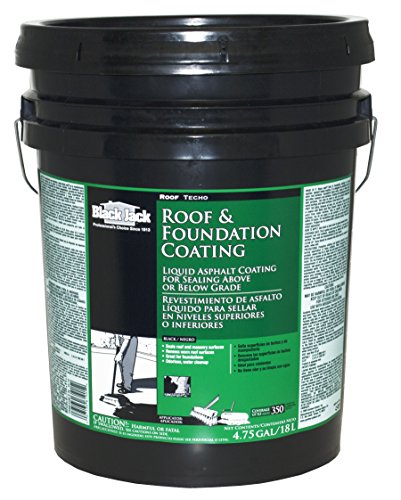
Black Jack 6190 Liquid Asphalt Coating, 5-Gallon Pail

TAVONUXT EPDM Rubber Strip, 1/2", 3/4", 1"

Liquid Rubber Self-Leveling Crack Filler, 2-Pack

XINDESAN Self-Leveling Asphalt Crack Filler, 2.65LB

YKF Self-Leveling Concrete Crack Filler, 1.1lb, Gray

BUXUNA Self-Leveling Waterproof Concrete Crack Filler, 2-Pack

Liquid Rubber Cold Patch Asphalt Repair, 11lb
Inside Each Recommended Option
A broad roof or foundation surface calls for a coating, not a bottle of crack filler. Black Jack 6190 uses a water-based asphalt emulsion, meaning asphalt is carried in water rather than a solvent, to seal and resurface roofs, underground wood footings, and metal surfaces.
The 5-gallon pail favors property owners covering a substantial area, while the odorless, solvent-free formula suits sites where strong fumes would be troublesome. Compared with the self-leveling fillers later in this list, its role is broader protection rather than filling a narrow opening.
A Favorable Mix
- The 5-gallon size supports larger surface coverage.
- Water-based application avoids a solvent-based odor.
- It can seal roofs, footings, and metal surfaces.
Broad Coverage Limits
- It is a non-fibered coating, so it lacks added fiber reinforcement.
- A large pail requires storage space and careful surface preparation.
Key Specs
Who It Suits Best
You benefit most when protecting a large low-slope roof, foundation footing, or metal surface with a rolled or brushed coating.
Where Another Pick Suits Better
Liquid Rubber Cold Patch Asphalt Repair, 11lb suits you better for filling a deep pothole instead of sealing a broad surface.
An expansion joint is a deliberate opening that allows concrete to move, so a rigid filler can become the wrong tool as the slab shifts. TAVONUXT uses flexible EPDM rubber to replace worn joint material in driveways and sidewalks, with widths of 1/2 inch, 3/4 inch, and 1 inch.
For a property owner restoring a straight joint, insertion-style installation keeps the process direct. Unlike Liquid Rubber’s flowing sealant, this strip remains a separate flexible component rather than leveling inside a cavity.
The Value In It
- Flexible rubber suits joints that experience movement.
- Three widths help you match different joint openings.
- Insertion requires no mixing or pouring.
Material Choice Matters
- The strip suits linear joints, not irregular cracks or potholes.
- Accurate width matching is essential for a secure fit.
Quick Facts
Made For
You benefit most when replacing a straight, worn expansion joint in a driveway, sidewalk, or similar concrete surface.
Consider Something Else When
YKF Self-Leveling Concrete Crack Filler, 1.1lb, Gray suits you better for a branching crack that needs to flow into place.
Narrow cracks are easier to treat with a liquid that settles into the opening than with a thick paste. Liquid Rubber’s self-leveling formula flows into joints and crevices, creating a flexible, water-resistant seal across asphalt, concrete, brick, stone, wood, PVC, EPDM, and fiberglass.
This range makes the two 10-ounce bottles useful for a property with several small repairs rather than one major damaged area. Damp-condition use and a stated minimum application temperature of 32°F also make it more accommodating than a product restricted to dry, warm surfaces.
Advantages To Know
- Self-leveling liquid reaches narrow openings.
- The formula can bond with many common surfaces.
- Application is possible in damp conditions.
- Two bottles let you tackle separate repairs.
Application Conditions Count
- The 10-ounce size favors targeted crack work.
- It fills cracks and joints rather than rebuilding missing asphalt.
Right Fit For
You benefit most when sealing several narrow driveway, walkway, or parking-area cracks across more than one material.
Not Your Match When
Liquid Rubber Cold Patch Asphalt Repair, 11lb suits you better when the missing asphalt needs rebuilding rather than sealing.
Repeated asphalt cracks can justify a larger, tool-ready kit. XINDESAN packages 2.65 pounds of self-leveling cement crack filler in two 600-gram pouches, each with a nozzle for direct application and a resealable design for storing the remaining material.
The included brush, scraper, and gloves reduce the need to assemble separate supplies before starting. Compared with the smaller Liquid Rubber pair, this setup carries more material and a broader accessory bundle, making it more practical for an active repair program.
Everyday Advantages
- Two pouches provide separate work sessions.
- The nozzle supports direct, controlled placement.
- Brush, scraper, and gloves support the repair process.
- Resealable packaging helps protect unused material.
Storage And Tools Matter
- The 2.65-pound total is heavier to store and handle.
- It remains a crack filler rather than a pothole patch.
- The kit assumes a squeeze-and-place application method.
Feature Rundown
Best Suited To
You benefit most when maintaining multiple asphalt cracks and want a larger kit with application accessories included.
Look Elsewhere When
TAVONUXT EPDM Rubber Strip, 1/2", 3/4", 1" suits you better for replacing a straight expansion joint.
A clean garage floor can make even a small concrete crack distracting. YKF offers a ready-to-use liquid cement sealant that requires no mixing, flows into driveways, garage floors, and patios, and comes with a brush for blending the edges into the surrounding surface.
The gray color helps the repair blend with a typical concrete floor, while the elastic formula is designed to accommodate movement. Its 1.1-pound container is more manageable for one household project than the larger XINDESAN kit, especially in a compact utility space.
Standout Benefits
- Ready-to-use liquid eliminates mixing.
- The self-leveling formula fills uneven openings.
- A brush helps blend visible edges.
- Gray color suits many concrete surfaces.
Surface Fit Needs Attention
- The 1.1-pound quantity suits smaller repair areas.
- Gray may not blend with every concrete finish.
Who Will Love This
You benefit most when repairing a limited number of cracks in a garage floor, patio, or residential driveway.
A Better Fit Elsewhere
Liquid Rubber Self-Leveling Crack Filler, 2-Pack suits you better when one repair involves several compatible materials.
Seasonal weather can make a repair window unpredictable, so application-temperature details matter. BUXUNA is designed for concrete driveways, patios, and garages, with a stated operating range of 40°F to 100°F and a self-leveling, waterproof formula.
Its two-pack format provides more material than a small household container and makes separate repair sessions possible. Compared with YKF’s edge-blending brush, this option presents a more straightforward choice centered on filling outdoor cracks under changing temperatures.
Everyday Perks
- Self-leveling liquid simplifies crack placement.
- The formula is designed for wet and changing conditions.
- A 40°F to 100°F range covers many outdoor seasons.
- Two packs suit separate repair sessions.
Temperature Fit Matters
- Application is limited to the stated temperature range.
- It addresses concrete cracks rather than missing pavement.
Technical Highlights
Built With In Mind
You benefit most when outdoor concrete cracks need a self-leveling seal and temperatures will remain within 40°F to 100°F.
Skip It When
Black Jack 6190 Liquid Asphalt Coating, 5-Gallon Pail suits you better for protecting a broad roof or foundation surface.
A pothole requires enough material to replace missing asphalt, not merely close its edges. Liquid Rubber’s 11-pound cold patch is ready to use: scoop the material into the opening, spread it, and tamp it down for driveways, parking lots, and road repairs.
Its weather-oriented design supports application in rain, heat, shine, or cold, which helps when a repair cannot wait for perfect conditions. Compared with the narrow-crack fillers, the trade-off is the manual work of placing and compacting a larger mass of patch material.
A Few Strong Suits
- The 11-pound container supports multiple pothole repairs.
- No mixing is required before placement.
- Ready-to-use material simplifies the repair process.
- Application is suited to varied weather.
Pothole Size Sets Limits
- Spreading and tamping require manual work.
- Cold patch does not level narrow cracks like a liquid filler.
Feature Overview
The Right Fit
You benefit most when restoring one or more potholes in a driveway, parking area, or access road with manageable manual labor.
Another Choice May Suit
YKF Self-Leveling Concrete Crack Filler, 1.1lb, Gray suits you better for hairline cracks on a garage floor.
What Matters Most Before You Repair
Match the Product to the Damage
A hairline crack, a failed expansion joint, and a tire-swallowing pothole demand different materials. Liquid crack fillers flow into narrow openings, EPDM strips replace moving joints, asphalt coatings protect broad surfaces, and cold patch replaces missing pavement. Measure the opening and identify the surface before selecting a container.
Understand the Repair Method
Self-leveling compounds spread under gravity, while cold patch requires scooping, spreading, and tamping. Expansion strips are inserted into a prepared channel. Each method has a different application sequence, so choose based on your available tools, the repair location, and how much surface you need to restore.
Check Conditions and Compatibility
Temperature ranges matter during outdoor repairs, especially on driveways and concrete slabs. Surface compatibility matters just as much, since asphalt, concrete, brick, wood, metal, PVC, EPDM, and fiberglass have different bonding requirements. Keep the product container, surface, and planned application conditions aligned before opening it.
Common Mistakes Worth Avoiding
The most common error is choosing crack filler for a pothole or buying cold patch to disguise a hairline split. Another mistake is ignoring the surface or temperature requirements, which can complicate application. Measure the damage, clean the area, and check the product’s stated uses before opening the container.
Where The Extra Money Goes
Higher-cost options often provide more material, broader surface compatibility, included tools, or a wider application temperature range. Those additions matter for larger projects, repeated maintenance, or changing weather. For one small crack, a smaller container may be the more sensible choice, while extensive driveway damage benefits from a larger cold-patch supply.
Frequently Asked Questions
What is asphalt repair mix?
Asphalt repair mix is a general term for materials used to restore damaged pavement, including liquid crack sealants, cement fillers, coatings, and cold patch. The right choice depends on whether you need to fill a crack, replace missing asphalt, or protect a broad surface.
Can asphalt crack filler fix a pothole?
Crack filler works best on narrow openings, while a pothole requires material that replaces missing asphalt. Liquid Rubber Cold Patch Asphalt Repair, 11lb is designed for that deeper repair because you scoop, spread, and tamp it into the opening.
Which products work on concrete?
YKF Self-Leveling Concrete Crack Filler, 1.1lb, Gray and BUXUNA Self-Leveling Waterproof Concrete Crack Filler, 2-Pack are designed specifically for concrete. Liquid Rubber Self-Leveling Crack Filler, 2-Pack also lists concrete among its compatible surfaces.
Can asphalt repair products be applied in wet conditions?
Liquid Rubber Self-Leveling Crack Filler, 2-Pack is designed for damp conditions, while Liquid Rubber Cold Patch Asphalt Repair, 11lb supports use in rain, heat, shine, or cold. Follow each product’s preparation and temperature instructions before application.
Should I use liquid filler or cold patch?
Use liquid filler for narrow cracks, joints, and crevices that need to flow into place. Choose cold patch for potholes and missing sections of pavement that need bulk material, spreading, and compaction.
Final Verdict
The right asphalt repair mix depends on the shape of the problem: liquid sealers for narrow cracks, rubber strips for expansion joints, coatings for broad surfaces, and cold patch for potholes. Match the product to the damage, confirm the surface compatibility, and select a container that suits the project’s scale. That simple step keeps your repair focused and avoids using a narrow-crack formula for a job that needs bulk asphalt.