
A narrow gap at the edge of a floating floor and a nail hole in a painted baseboard call for different repairs. The floor tools in this roundup pull loose plank seams together, while the white filler sticks restore holes, dings, and scratches without sanding. You’ll find a focused option for white trim, textured flooring, tight corners, and floating laminate, vinyl, or engineered wood floors. Check your flooring type before choosing a seam tool, because these tools are designed for floors that can move rather than floors nailed or glued in place.
A Fast Comparison Of The Options

SMAPHY White Filler Sticks 3-Pack with Base Putty

kosjund Heavy-Duty Floor Gap Fixer with 4-Sided Surface, Hammer, Reusable Pad
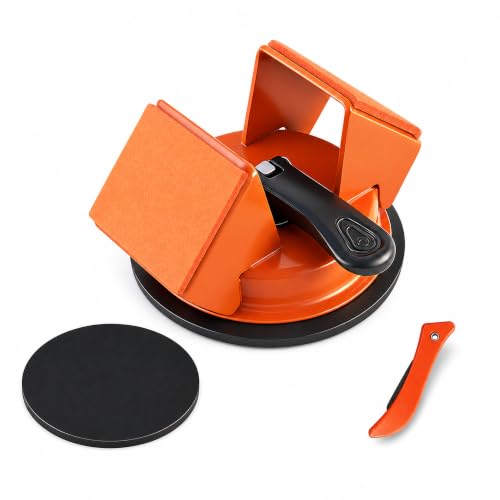
kosjund Heavy-Duty Floor Gap Fixer with Black Two-Surface Grip

kosjund Iron Floor Gap Fixer Tool with Hammer, Slot Cutter, 5 Sticky Pads

kosjund Floor Gap Fixer Tool with Enhanced Suction Cup

kosjund Iron Floor Gap Fixer Tool with Slot Cutter and 5 Sticky Pads

SMAPHY White Filler Sticks 3-Pack for Baseboards
A Breakdown Of The Leading Choices
A nail hole in a white baseboard can look larger after the surrounding paint gets touched. This SMAPHY set gives you a base putty for filling the damaged area, followed by a white filler stick that forms the visible surface. That two-stage repair suits landlords, students, and homeowners handling small marks without replacing trim.
Unlike the floor gap tools later in the list, this system restores holes rather than pulling plank seams together. It works on wood, MDF, and PVC, giving you several painted surfaces to cover. For a deeper ding, the extra application step may take a little more patience than a single-stick repair.
Where It Delivers
- The base putty hardens beneath the white stick, helping you fill deeper damage before finishing the surface.
- Three sticks support repeated touch-ups on baseboards, trim, cabinets, and white furniture.
- You can complete the repair without sanding, which keeps small jobs manageable.
- Wood, MDF, and PVC compatibility covers several common household materials.
Points To Note
- The pure white color is intended for white surfaces, so check nearby paint before committing.
- Deep gouges call for the putty-and-stick sequence rather than a single quick application.
Key Specs
Made For
You benefit most from this option when you repair small holes and dings in white baseboards, trim, cabinets, or furniture.
Where A Sibling Pick Shines
SMAPHY White Filler Sticks 3-Pack for Baseboards offers a simpler choice for quick, shallow nail-hole touch-ups.
A floating floor can develop a narrow seam as the boards expand and settle. A floating floor is installed so the planks can move slightly rather than remaining fixed to the subfloor. This kosjund tool combines a four-sided 45-degree tapping surface, a hammer, and a washable reusable sticky pad for laminate, vinyl plank, and hardwood repairs.
Unlike the SMAPHY repair sticks, this device addresses separation between floorboards rather than holes in trim. You press and tap the tool to bring the boards together, with the adhesive pad helping it hold against coarse or textured surfaces. The angled faces give you several contact options as the tool meets the plank edge.
Everyday Wins
- The washable, reusable sticky pad supports repeated seam repairs without replacing the adhesive each time.
- Four 45-degree tapping faces help you choose a suitable contact angle around the plank edge.
- The included hammer gives you the striking tool needed for the repair setup.
Trade Offs
- You must confirm the boards float; nailed or glued installations are outside the stated compatibility.
- Surface texture can affect the pad’s grip, so clean the contact area before positioning the tool.
Feature Snapshot
Right Fit For
You benefit most from this tool when repairing coarse or textured seams in floating laminate, vinyl, or hardwood flooring.
Another Choice May Suit
kosjund Iron Floor Gap Fixer Tool with Hammer, Slot Cutter, 5 Sticky Pads suits you better when you want more accessories and a slot cutter.
When one floating plank separates from its neighbor, you need a tool that grips the board while directing the strike along the seam. This black kosjund model pairs 45-degree dual striking surfaces with an enhanced suction cup and a two-surface grip system. You position it over the joint, apply the suction, and tap the angled face to close the gap.
Compared with the four-sided kosjund model, this version presents a more focused two-surface design and a distinct black grip system. That makes it worth considering for hardwood, laminate, vinyl, or engineered floors where appearance and handling matter as much as the repair. The floating-floor requirement remains the key checkpoint.
What It Does Well
- The dual 45-degree striking faces direct force forward and downward as you tap the plank edge.
- The enhanced suction cup helps keep the tool positioned while you work on a seam.
- The two-surface grip system gives you a focused setup for floating-floor repairs.
- You can use it on hardwood, laminate, vinyl, or engineered flooring.
Small Caveats
- You need a floating installation; pulling boards fixed with nails or adhesive can cause damage.
- You must place the suction cup on a clean, dry area for a reliable seal.
- It addresses plank seams rather than holes in baseboards or painted trim.
Who Will Love This
This option suits you when you want a compact, dark-finished seam tool for hardwood, laminate, vinyl, or engineered flooring.
Consider Something Else When
kosjund Iron Floor Gap Fixer Tool with Hammer, Slot Cutter, 5 Sticky Pads makes more sense for a repair kit that includes a hammer, slot cutter, and spare pads.
A seam close to a wall limits your working room, but this kosjund iron tool lets you use either one suction cup or both at once. The dual-sided 45-degree striking faces carry felt pads to reduce vibration and hammering noise. You press the handles sequentially to create suction, then tap the floor plank back toward its neighbor.
The package adds a hammer, slot cutter, and five sticky pads, giving you more than the basic pulling tool. That accessory range makes this a practical choice for several floating-floor repairs around a home. The trade-off is extra equipment to organize, and you still need to confirm the boards float before applying force.
Advantages To Know
- Dual suction cups provide combined holding power, while one cup gives you access near walls.
- Felt-padded 45-degree striking faces help absorb vibration and reduce tapping noise.
- The iron construction supports repeated tapping on floating laminate, vinyl, and hardwood floors.
- Five sticky pads give you replacements for later seam repairs.
- The hammer and slot cutter complete the repair setup.
Practical Considerations
- Use only on floating floors, since nailed or glued boards may move differently under the tool.
- Position the suction cups on a clean surface, and use gentle, controlled taps near walls.
Core Details
Best Suited To
You benefit most from this kit when repairing several floating-floor seams, especially those near walls or cabinets.
A Better Fit Elsewhere
kosjund Floor Gap Fixer Tool with Enhanced Suction Cup suits you better when a focused tool and dual striking faces fit your repair setup more closely.
Corner spaces and narrow work areas reward a tool that can approach a seam from more than one direction. This kosjund model uses dual 45-degree striking surfaces, so you can select a face that suits the available space. The iron body and enhanced suction cup help support controlled tapping around floating laminate, vinyl, hardwood, or engineered floors.
Unlike the accessory-heavy kosjund kit with a hammer and five pads, this version presents a more focused design around the pulling and striking mechanism. You still need to check the floor’s installation method, as the tool is intended only for floating boards. For a straightforward seam repair, that focused setup may be easier to manage.
Everyday Perks
- The dual striking faces make the tool adaptable to tight corners and different approach angles.
- The enhanced suction cup helps stabilize the tool as you bring the boards together.
- Its iron construction gives you a rigid surface for tapping floating-floor seams.
Where It May Fall Short
- You need to confirm that the flooring floats rather than remaining nailed or glued down.
Quick Facts
Who Should Grab It
This tool fits you best when you handle isolated seam repairs in tight areas of a floating floor.
Look Elsewhere When
kosjund Iron Floor Gap Fixer Tool with Hammer, Slot Cutter, 5 Sticky Pads makes more sense when you want a hammer, slot cutter, and spare pads in the setup.
Repeated floor repairs can leave you searching for spare adhesive pieces, so this kosjund set includes five sticky pads with the iron seam tool. Its dual-sided 45-degree striking surfaces direct the tap forward and downward while helping the tool resist slipping. You can approach a seam from either side, which helps in confined areas.
Compared with the related kosjund package that adds a hammer and dual suction cups, this version keeps the emphasis on the striking body, slot cutter, and replacement pads. That makes it a practical workshop-style setup for floating laminate, vinyl, hardwood, or engineered floors. Check the slot cutter against your repair approach before relying on it around delicate edges.
Practical Advantages
- Five included sticky pads keep replacement pieces available for multiple repair sessions.
- The slot cutter adds a dedicated tool for working with the seam area.
- Dual 45-degree surfaces let you adjust the striking angle around corners and edges.
- The iron body provides a rigid surface for controlled tapping.
Things To Consider
- You must confirm that the floor floats before pulling the boards together.
- Use the slot cutter carefully around the plank edge, particularly where boards have a delicate finish.
The Right Fit
You benefit most from this set when you plan several floating-floor repairs and want spare pads close at hand.
Swap It Out When
kosjund Iron Floor Gap Fixer Tool with Hammer, Slot Cutter, 5 Sticky Pads suits you better when an included hammer and dual suction cups suit your setup.
Picture the row of nail holes left behind by removed picture frames or cabinet hardware. These SMAPHY filler sticks let you press white compound into each opening and scrape it level, restoring baseboards and other painted surfaces. The three-stick pack gives you enough material for several small repairs around an apartment or rental property.
Compared with the SMAPHY two-stage system, this set keeps the process straightforward: fill, scrape, and leave the white surface ready for finishing. That makes it a practical move-out option for tenants who want to repair marks without sanding. The method still calls for firm pressure and careful scraping, so take your time around edges.
Real Benefits
- You can repair nail holes in baseboards and cabinet dings without replacing the painted wood.
- Three sticks cover multiple small touch-ups around your home.
- The fill-and-scrape method avoids sanding for routine repairs.
Minor Gripes
- The white compound is suited to white-painted surfaces, so test its color against nearby trim first.
- Deeper damage may need more pressure and careful leveling than a shallow nail hole.
The Details
Built With In Mind
This option fits renters, students, and homeowners handling small nail holes in white baseboards or cabinets.
Where Another Pick Suits Better
SMAPHY White Filler Sticks 3-Pack with Base Putty suits you better when a deeper hole needs a firm base layer before the white finish.
Match The Repair To The Surface
Start With The Defect
A hole in a baseboard needs filler, while a separated floorboard seam needs a pulling tool. Measure the damage and note whether the issue is a puncture, scratch, dent, or open joint between planks. White filler sticks handle painted-surface marks, while floor gap tools work by gripping and tapping floating boards together.
Check The Flooring System
Confirm whether the floor was installed as a floating system before using a seam tool. Floating boards are designed to move slightly, and the pull-and-tap action works with that movement. Nailed or glued floors require a different repair approach because their boards remain fixed in place.
Match The Tool To The Task
Look at the space around the repair next. Dual suction cups help in open areas, while a single-cup arrangement can improve access near walls. Multiple striking faces help with corners, and spare sticky pads or a slot cutter add convenience for repeated jobs. Choose the accessory set that matches the number and location of your repairs.
Consider The Surface Color
White filler sticks blend most easily with white-painted baseboards, trim, and cabinets. Test the stick against the surrounding finish before treating a visible area. For darker or colored surfaces, select a repair method formulated to match that finish rather than relying on a white compound.
Avoiding Common Baseboard Repair Errors
Where Shoppers Go Wrong
Using a floor seam tool on a nailed floor can force fixed boards in the wrong direction. Another common error is treating a deep baseboard gouge as a shallow nail hole, which can leave the repair uneven. Check the flooring construction, damage depth, and paint color before you start.
What Separates Premium From Basic
The extra cost of a fuller kit usually buys accessories, multiple contact surfaces, or stronger positioning options. A hammer, slot cutter, spare pads, and dual suction cups can make repeated repairs easier. The upgrade is worthwhile for several seams or tight access points, while a single isolated repair may need only the core tool.
Frequently Asked Questions for Baseboard Gap Filler
Can Baseboard Gap Filler Repair Nail Holes?
Yes. White filler sticks are designed to fill nail holes and small dings in painted baseboards. You press the compound into the opening, scrape it level, and complete the finish.
Do Floor Gap Fixers Work on Nailed or Glued Floors?
No. The floor gap tools listed here are intended for floating floors, whose boards can move slightly. Using them on nailed or glued installations may damage the flooring or fix.
Are Baseboard Filler Sticks Sanded After Application?
No sanding is required for the listed repair sticks. You fill the hole and scrape the surface level, although the surrounding paint may still need a final touch-up.
What Material Is the kosjund Floor Gap Fixer?
The listed kosjund floor gap repair tools use an iron body. Their angled striking surfaces, suction components, pads, and included accessories vary by model.
Which Option Suits a Small White Baseboard Hole?
The SMAPHY White Filler Sticks 3-Pack for Baseboards offers a direct fill-and-scrape repair. The SMAPHY White Filler Sticks 3-Pack with Base Putty makes more sense for deeper damage requiring a base layer.
Final Verdict
Start by separating surface damage from floor movement. Choose SMAPHY filler for white holes and dents, then select a kosjund tool according to your floating floor, access space, and preferred accessory setup. The right match prevents extra work and keeps the repair focused on the actual problem.