
A 2 a.m. power cut turns a bedside clock into a glowing rectangle, and you need to know whether its backup cells are still ready. The right replacement depends on the battery compartment, but loud alarm designs also matter when a phone alarm goes unheard. These seven options cover both needs, from compact AA and AAA packs to clocks built for heavy sleepers and drag-racing fans.
A Snapshot Of The Selections

BEVIGOR 1.5V Lithium AA 4-Pack
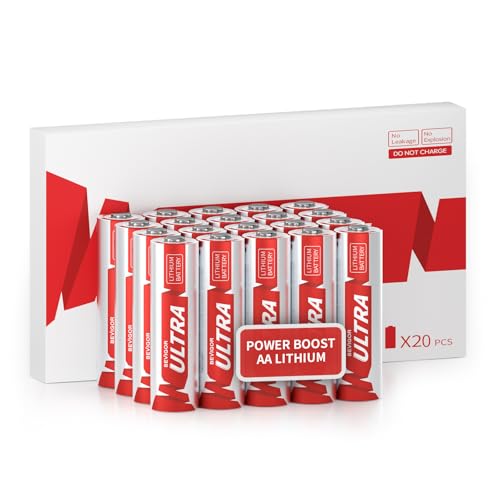
BEVIGOR 1.5V AA 20-Pack

Mark Feldstein Drag Racing Christmas Tree Clock

BEVIGOR Lithium AAA 8-Pack

BEVIGOR Lithium AA 8-Pack 3000mAh

BEVIGOR Lithium AA 24-Pack 3000mAh

Peakeep 115dB Super Loud Alarm Clock
Meet The Standout Selections
Four cells cover a basic AA backup compartment without leaving a large collection of extras. The 1.5V lithium format suits devices that specifically accept AA lithium cells, while the pack size fits neatly in a drawer, junk drawer, or emergency kit.
Unlike the larger BEVIGOR packs later in this list, this one emphasizes a compact replacement purchase. Its stated storage life of up to 20 years and self-discharge below 1% per year make it practical for clocks that remain unused for long stretches. The 15g weight also feels lighter in a handheld flashlight than a typical 26g alkaline cell.
Useful Touches
- Steady 1.5V output supports consistent operation in compatible electronics.
- Leak resistance, a pressure-relief valve, and short-circuit protection provide layered safeguards.
- The wide stated operating range suits outdoor equipment and cold-weather use.
- Low self-discharge supports long storage without frequent battery changes.
Practical Considerations
- Confirm that your clock accepts AA lithium cells rather than alkaline or AAA sizes.
- Four cells may be modest for a household with several devices and spare needs.
Feature Snapshot
Who It Suits Best
This pack suits anyone replacing a small number of AA backup cells in a compatible alarm clock or nearby household device.
A Better Fit Elsewhere
The BEVIGOR 1.5V AA 20-Pack serves households needing many more cells and longer-lasting spares.
A household with several alarm clocks, remote controls, and flashlights can draw from one 20-cell pack without replenishing each compartment separately. The larger count also gives you useful stock for devices that see frequent use.
Compared with the BEVIGOR 1.5V Lithium AA 4-Pack, this option trades compactness for greater coverage. Its stated 20-year storage life and self-discharge below 1% each year favor people who keep backup cells for emergencies. Upgraded lithium technology supports a steady 1.5V output in compatible equipment.
Practical Advantages
- Twenty cells cover several devices at once.
- Long stated storage life supports emergency and occasional-use kits.
- Low annual self-discharge helps stored cells retain their charge.
- Leak resistance, a pressure-relief valve, and short-circuit protection add useful safeguards.
Details To Watch
- Twenty batteries create more storage clutter than a small four-cell pack.
- Your equipment must support 1.5V lithium AA cells for the stated output to be appropriate.
Made For
This pack works well for busy households, shared spaces, and anyone who prefers keeping several replacement cells on hand.
Another Choice May Suit
The BEVIGOR 1.5V Lithium AA 4-Pack is tidier for one clock or a compact emergency pouch.
A drag-racing Christmas tree brings more personality to a bedside than a standard digital display. Its lights illuminate in sequence, imitating the staging system used at a drag strip, so the clock reads as much like a display piece as a timepiece.
The alarm follows the same motorsport theme. Rather than relying on a basic beep, it stages tire sounds, flashing lights, and an engine sequence to get your attention. In your view, that makes it a fun choice for racing enthusiasts, though the theatrical sound may be unnecessary for a conventional bedroom.
Where It Excels
- Sequential lights create a more animated display than constant illumination.
- The racing-themed alarm is harder to ignore than a conventional tone.
- Temperature and humidity gauges add practical information to the decorative design.
Points To Note
- The racing theme will not suit every bedroom or shared wall arrangement.
- Check the clock’s power requirements and placement before ordering.
Feature Card
Built With In Mind
This clock fits drag-racing fans, holiday decorators, and anyone wanting a humorous bedside display.
Where A Sibling Pick Shines
The Peakeep 115dB Super Loud Alarm Clock offers a more direct bedside wake-up for people who need volume.
Smaller devices often call for AAA cells, and this eight-pack provides a convenient supply without the bulk of a 20- or 24-cell order. The lithium iron format delivers a stated 1.5V output for compatible radios, remotes, cameras, toys, and other compact equipment.
Compared with the BEVIGOR 1.5V Lithium AA 4-Pack, the practical difference is physical size rather than voltage. Both use 1.5V lithium cells, but AAA and AA batteries are not interchangeable. A stated storage life of up to 20 years and self-discharge below 1% annually make this set useful for emergency kits and infrequently used devices.
What Earns Its Place
- Eight cells provide a useful mix of replacements and spares.
- The AAA size fits smaller compatible devices.
- Long storage life suits emergency and occasional-use equipment.
- Layered safety features include leak resistance, a pressure-relief valve, and short-circuit protection.
Worth Bearing In Mind
- AAA cells cannot replace AA cells despite sharing the same nominal voltage.
- Check device guidance before using lithium cells in alarms or detectors.
Core Details
Best Suited To
This set suits households with several compact devices that use AAA batteries and value long-term storage.
Look Elsewhere When
The BEVIGOR 1.5V Lithium AA 4-Pack makes more sense for equipment that requires AA cells.
An eight-cell AA package gives you enough capacity for a bedside clock plus several other compatible devices. The stated 3000mAh rating identifies the capacity within each cell, while the non-rechargeable format makes replacement behavior straightforward.
Unlike the BEVIGOR 1.5V Lithium AA 4-Pack, this option includes an explicit capacity rating and targets higher-use electronics such as alarm systems, Blink cameras, flashlights, and microphones. Its 1.5V output is designed to remain steady through much of the discharge period, and a stated 20-year storage life suits emergency supplies.
Well-Handled Touches
- The 3000mAh rating provides a clear capacity specification.
- Eight cells balance household replacement needs with manageable storage.
- Steady voltage suits compatible cameras, alarm systems, and flashlights.
- Long storage life supports batteries kept for occasional use.
- The stated non-rechargeable format avoids ambiguity about charging.
Possible Compromises
- You will replace these cells rather than return them to a charger.
- Confirm that your alarm equipment accepts 1.5V AA lithium batteries.
Key Product Details
The Right Fit
This pack fits homes with AA alarm equipment, cameras, flashlights, and several other compatible electronics.
Reach For A Different Pick When
The BEVIGOR 1.5V AA 20-Pack is more practical for larger households that need greater cell volume.
Twenty-four cells make sense for a busy home with many battery-powered devices or for anyone who would rather replenish less often. The 1.5V output and 3000mAh capacity provide a common AA replacement specification, and the non-rechargeable design keeps the intended use simple.
Compare that bulk with the BEVIGOR 1.5V AA 20-Pack, which lists a 20-year storage life. This larger pack carries a stated 10-year lifespan and uses protective packaging to reduce movement and accidental short circuits during storage, so the right choice depends more on pack volume and storage life than basic AA compatibility.
Where It Delivers
- Twenty-four cells provide substantial household coverage.
- The 3000mAh rating is clearly stated for each AA cell.
- A lightweight 15g cell reduces bulk in compatible handheld devices.
- Protective packaging supports safer storage and handling.
Some Limits To Know
- The pack takes more space than the four- and eight-cell options.
- Its stated 10-year storage life is shorter than the 20-year life listed for the BEVIGOR 1.5V AA 20-Pack.
Made For
This set suits busy households, workshops, and anyone maintaining a large collection of AA-powered devices.
Consider Something Else When
The BEVIGOR 1.5V Lithium AA 4-Pack is easier to store for a household with only one or two compatible devices.
A phone alarm can become background noise after years of use, especially for deep sleepers or people sharing a home. This bedside clock takes a different approach, using a stated 115-decibel alarm, a sound level that represents a notably high output for a domestic clock.
Six wake-up sound options give you some variety, although the main appeal is volume rather than a subtle bedside tone. It fits students with early classes, shift workers following irregular schedules, and busy households where a conventional alarm goes unheard. Light sleepers in shared rooms may find that the opposite problem develops quickly.
Everyday Perks
- The stated 115dB output targets people who sleep through ordinary alarms.
- Six sound options provide variety for different mornings.
- Bedside placement supports a consistent wake-up routine.
- The design suits students, shift workers, and heavy sleepers.
Where It May Fall Short
- The high output may be disruptive in a shared room or near light sleepers.
- Check bedside space and the available settings before ordering.
Quick Facts
Who Will Love This
This clock suits heavy sleepers, students, and shift workers who need a forceful bedside alarm.
Swap It Out When
The Mark Feldstein Drag Racing Christmas Tree Clock offers more visual character for a themed bedroom.
Start With The Clock’s Battery Compartment
The first check is the physical cell size. Some alarm clocks use AA batteries, while smaller models take AAA cells, and others include coin cells or a dedicated backup compartment. Measure or inspect the existing battery before ordering, since matching voltage alone does not make different formats interchangeable.
Your clock’s manual also matters. A backup compartment may specify alkaline, lithium, rechargeable, or another chemistry, and the battery contacts can influence fit. A replacement cell with the right voltage can still be unsuitable when the device or manufacturer calls for a different design.
Match Capacity And Storage To Your Routine
Lithium cells are useful when you want long storage between changes. Self-discharge describes how much stored charge a battery loses over time, so a low annual rate supports batteries sitting unused in a drawer or emergency kit.
Capacity is another consideration. Milliampere-hours, abbreviated mAh, describe how much charge a cell can hold, but the device’s design and drain rate determine how that translates into operating time. A higher stated capacity can make sense for cameras, alarm systems, and other frequently used electronics, while a smaller clock may need very little.
Separate A Backup Cell From A New Clock
Buying cells preserves the clock you already know and often makes more sense for a simple battery problem. A new clock becomes relevant when the display, controls, alarm sound, or power system no longer meets your needs.
For replacement cells, count the compartments and add a few spares. For a new alarm clock, consider volume, display readability, sound options, and bedside footprint. That avoids paying for features you will not use while still covering the situation that prompted the change.
Avoid Common Battery Buying Errors
The most frequent mistake is trusting the voltage label while overlooking cell size. AA and AAA batteries may both show 1.5V, yet their dimensions differ, and a clock designed for one will not accept the other.
Avoid mixing lithium and alkaline cells in the same compartment unless the device guidance specifically allows it. Matching the stated chemistry, voltage, and format to the clock keeps the replacement straightforward and reduces avoidable connection issues.
What The Higher Tier Buys
Higher-cost options often add shelf life, temperature tolerance, larger pack counts, stronger safeguards, or higher alarm output. Those features are most useful for emergency kits, outdoor devices, shared homes, and people who regularly struggle to wake up.
The upgrade pays off when it addresses a real constraint, such as long storage between changes or an alarm that must cut through household noise. A basic four-cell pack remains sensible when you only need one clock, while bulk lithium sets or a louder clock earn their place through broader use.
Frequently Asked Questions for Battery For Alarm Clock
What size battery does an alarm clock use?
Most alarm clocks use AA or AAA cells, but the compartment and manual provide the correct answer. Check the battery shape and printed voltage before ordering.
Can I use a 1.5V lithium AA battery instead of alkaline?
Only when the clock accepts lithium AA cells. Some alarm systems support lithium cells, while others are designed specifically for alkaline chemistry.
How many replacement batteries should I buy?
Count the cells required by each clock and add a small reserve for future changes. Larger households or several devices usually benefit from 8-, 20-, or 24-cell packs.
Do lithium alarm clock batteries last longer in storage?
The listed BEVIGOR AA and AAA sets specify storage lives of up to 20 years with low annual self-discharge. Actual service life still depends on the device and how often the battery is used.
Which option is loudest for a heavy sleeper?
The Peakeep clock has a stated 115dB alarm and six sound choices. The Mark Feldstein clock is more decorative, using a drag-racing sequence rather than focusing solely on volume.
Wrap Up
The right battery starts with the exact compartment and chemistry used by your alarm clock. BEVIGOR’s packs cover small replacement orders, bulk household supplies, and AA or AAA formats, while the Mark Feldstein and Peakeep clocks serve buyers who want a new bedside design. Check the fit first, then match capacity, storage life, or sound level to the way you actually use the device.