
A powder room with limited space calls for a different toilet than a basement where waste must travel beyond a conventional drain. You also face decisions about bowl design, flush volume, pump capacity, and how many bathroom fixtures need to share the plumbing system.
The DeerValley option focuses on compact dimensions and straightforward cleaning, while the Simple Project macerating systems bring pumping power to awkward installations. A macerating toilet uses a motor-driven pump to move waste through a building’s drain line, making it useful where gravity drainage cannot reach.
A Fast Comparison Of The Options

DeerValley Compact One-Piece Toilet 1.28 GPF
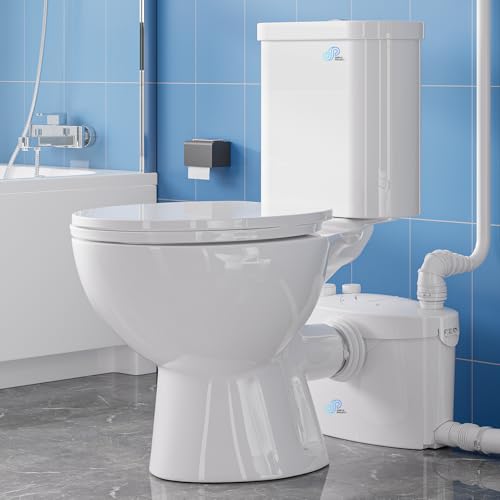
Simple Project 750W Macerating Toilet

Simple Project 600W Macerating Toilet
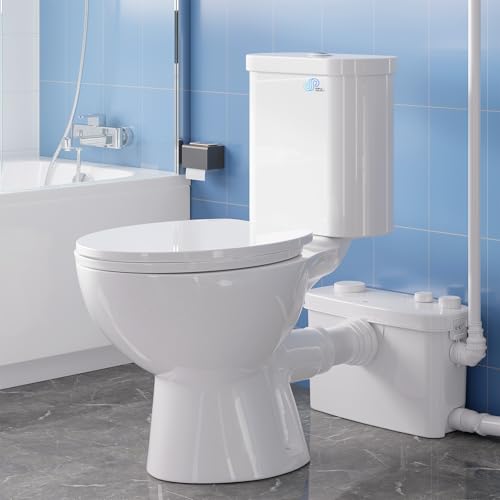
Simple Project 500W 4-Inlet Macerating Toilet

Simple Project 1000W Macerating Toilet

Simple Project 600W Basement Macerating Toilet
The Details Behind The Selections
A narrow powder room leaves little room for wasted space, and the DeerValley design responds with a compact one-piece body and fully skirted bowl. Unlike the macerating systems that follow, it works with a conventional bathroom layout, making it easier to live with day to day.
The one-piece form reduces exposed joints, while the smooth skirt keeps corners from trapping dirt around the base. For most compact bathrooms, the visual simplicity may matter as much as the dimensions.
What Stands Out
- Compact proportions suit tight powder rooms.
- Glazed surfaces simplify routine wiping.
- Skirted bowl reduces hidden cleaning areas.
- Single flush uses 1.28 gallons per flush.
- Soft-close seat lowers the risk of loud slams.
Small Caveats
- Confirm the compact bowl and elongated profile fit your available floor space before ordering.
Key Specs
Made For
You benefit most in a small powder room with a standard drain and a preference for simple cleaning.
A Better Fit Elsewhere
The Simple Project 750W Macerating Toilet suits a basement where conventional drainage cannot reach the main waste line.
Installing a toilet below a basement’s drain line changes the problem from bowl clearance to waste routing. The Simple Project 750W system uses a 750W macerator pump and stainless steel cutting blades to move waste horizontally up to 360 feet or vertically up to 36 feet.
Four water inlets give the system more flexibility than the DeerValley toilet’s standard plumbing setup. A shower, sink, or washbasin can join the same arrangement, depending on the bathroom layout and local plumbing requirements.
Everyday Perks
- The pump handles demanding basement routes.
- Four inlets support several connected fixtures.
- Stainless blades add cutting durability.
- Round-the-clock support is available.
Practical Considerations
- Installation requires careful planning for the discharge line and electrical connection.
- Protection plans vary, so review their terms before relying on added coverage.
Quick Facts
Built With In Mind
You benefit most in a finished basement with several fixtures and access to a suitable waste line.
Another Choice May Suit
The Simple Project 1000W Macerating Toilet fits a project needing a higher motor rating and a more compact stated pumping reach.
A basement bathroom can feel disruptive when the pump runs beside a bedroom or work area. The Simple Project 600W Macerating Toilet is presented as a quieter alternative, combining a 600W motor with a rear outlet and four water inlets.
Compared with the 750W model, it carries a lower motor rating, but that difference matters only against your actual pipe route. For a moderate basement layout, the shared-fixture arrangement may offer a more sensible balance.
Where It Helps
- The quiet-operation design suits occupied basements.
- Four inlets accommodate multiple bathroom fixtures.
- The rear outlet supports flexible installation planning.
Points To Keep In Mind
- The 600W rating is lower than the 750W alternative.
- Noise levels may still vary with pipework and installation.
- A macerating setup adds pump, electrical, and discharge-line requirements.
The Right Fit
You benefit most in a basement bathroom where quiet operation and several fixture connections matter more than maximum pump rating.
Look Elsewhere When
The Simple Project 750W Macerating Toilet suits a longer or more demanding waste route.
Not every basement project needs the largest motor rating in this group. The Simple Project 500W model combines a quieter pump design with a 1.6-gallon flush, an extension pipe, and four water inlets for sinks, showers, or other fixtures.
That creates a more measured alternative to the 600W and 750W systems. In a moderate basement layout, the shared plumbing connections may matter more than a small increase in motor rating.
Strengths Worth Knowing
- A quieter pump design suits finished rooms.
- The 1.6 GPF flush provides a larger stated volume.
- Four inlets serve several connected fixtures.
- An extension pipe adds routing flexibility.
Possible Compromises
- The 500W motor has the lowest stated rating here.
- Its 1.6 GPF flush uses more water per flush than the DeerValley model.
Feature Snapshot
Who It Suits Best
You benefit most in a finished basement bathroom with several fixtures and a moderate waste route.
Where A Sibling Pick Shines
The Simple Project 1000W Macerating Toilet suits a longer route that calls for a higher motor rating.
Long discharge runs can turn a small difference in pump rating into an important installation detail. The Simple Project 1000W Macerating Toilet has the highest stated motor rating here and is described as handling a route up to 40 feet.
The included extension pipe and four water inlets broaden the layout options, while the rear outlet suits installations where the waste connection sits behind the toilet. You still need a properly planned electrical supply and discharge route.
Noteworthy Benefits
- The 1000W rating supports demanding waste routes.
- A stated reach of 40 feet suits longer installations.
- The extension pipe adds placement flexibility.
- Four inlets support multiple bathroom fixtures.
- The quiet design suits finished basements.
Trade Offs To Consider
- The system requires more installation planning than a standard toilet.
- The shorter stated reach may not suit every long route.
- A higher motor rating does not eliminate the need for compatible plumbing.
Right Fit For
You benefit most in a basement bathroom with an extended waste route and several fixture connections.
Swap It Out When
The Simple Project 600W Basement Macerating Toilet may suit a simpler route where four inlets and a 1000W rating are unnecessary.
Some basements need substantial horizontal routing but only a few nearby fixtures. The Simple Project 600W Basement Macerating Toilet offers a stated 295-foot horizontal reach, 30-foot vertical reach, and three water inlets for that middle ground.
Its one-piece construction contrasts with the two-piece configurations listed for most of the macerating alternatives. That may simplify the visual profile, although the included pump and plumbing arrangement remain the main installation considerations.
Points In Its Favor
- The long horizontal reach supports distant drain layouts.
- Three inlets cover several nearby fixture connections.
- The one-piece body keeps the overall profile unified.
Some Limits To Know
- Three inlets offer fewer connections than the four-inlet models.
- The 30-foot vertical reach is below the 750W system’s stated 36 feet.
- Its 295-foot horizontal reach is shorter than the 750W system’s 360 feet.
- Pump, electrical, and discharge-line planning remain necessary.
Core Details
Made For
You benefit most in a basement with a long horizontal drain route and up to three nearby fixtures.
Consider Something Else When
The Simple Project 500W 4-Inlet Macerating Toilet suits a layout needing four connections and a larger stated flush volume.
Plan The Toilet Around Your Plumbing
Standard Drainage or Maceration
A standard toilet works best when the drain sits below the bowl and gravity can carry waste naturally. A macerating system earns its place in a basement or another location where the waste line must rise or travel beyond the normal drainage route.
Measure the route before selecting a pump. Horizontal distance, vertical rise, pipe diameter, and electrical access all affect the installation.
Space and Cleaning Come First
The DeerValley model makes the most sense for a compact room with a conventional drain. Its one-piece construction, skirted bowl, and quick-release seat simplify cleaning around the fixture.
Macerating systems require additional room for the tank, pump, discharge pipe, and service access. Basement layouts should account for those connections before the decorative finish is selected.
Match Connections and Flush Demand
Four water inlets give a macerating system more ways to share a waste line with a sink, shower, or washbasin. Three inlets may suit a smaller fixture group, while a single conventional toilet has a simpler connection.
Flush volume also matters. The DeerValley toilet uses 1.28 gallons per flush, while the 500W macerating system uses a stated 1.6 gallons, giving you another meaningful point of comparison.
Avoid Two Costly Bathroom Misfits
Common Shopping Slip Ups
A bowl shape that looks compact online may still crowd the room once the tank, door, and clearances are included. Measure the finished floor area and inspect the proposed waste and electrical routes before ordering.
What The Higher Tier Buys
A higher motor rating may add useful pumping capacity, but only a demanding route requires it. Extra inlets help when several fixtures share the system, while a more elaborate design adds no value when the bathroom has straightforward plumbing.
Frequently Asked Questions
Do I Need a Macerating Toilet?
You need one when gravity drainage cannot carry waste from the bowl to the building’s waste line. A conventional toilet remains simpler where the drain is correctly positioned below the fixture.
Is a One-Piece Toilet Easier to Clean?
A one-piece design can reduce exposed seams around the bowl and tank. The DeerValley model adds a skirted exterior and quick-release seat for easier access around its base.
How Many Water Inlets Do I Need?
Count the sink, shower, washbasin, and other fixtures you plan to connect to the macerating system. Three inlets suit a smaller group, while four provide another connection option.
Does a Higher Pump Rating Always Help?
A higher rating may suit a longer or more vertical waste route, but it does not remove installation requirements. Pipe route, electrical supply, and local plumbing rules still need checking.
Does Flush Volume Affect Water Use?
Yes, because GPF means gallons per flush. The DeerValley model’s 1.28 GPF uses less water per flush than the 1.6 GPF system listed here.
Final Verdict
Your best fit depends on the plumbing rather than the toilet alone. Choose the DeerValley model for a compact room with conventional drainage, or select a macerating system after mapping the waste route, vertical rise, fixture connections, and electrical access. The right decision is the one that fits the bathroom you actually have.