
A weekend at a remote campsite calls for a different solution from a basement bathroom. Portable gel powder manages waste in a bag, while a macerating toilet grinds waste and pumps it through a building’s plumbing. These picks cover both needs, from backcountry travel to fixed installations where drainage routes are awkward.
How The Shortlist Stacks Up

AOKE Poo Gel Lemon 25-Pack
Simple Project 750W Macerator

Simple Project 600W Macerator
Simple Project 500W 4-Inlet

Simple Project 1000W Toilet

Simple Project 600W One-Piece
What Each Pick Brings To The Table
For a camping bucket or portable toilet bag, AOKE Poo Gel handles liquid waste without requiring a fixed flush system. Its super absorbent polymer turns liquid into a gel-like material, while a light lemon scent helps control odor during travel. That makes it more relevant to campers, road-trippers, and people managing temporary sanitation than the installed macerating systems in this roundup.
Each 10g stick can treat up to 2,000ml of pure water or 650ml of urine. You can add the powder before or after the liquid, then allow one to two minutes for solidification. The convenient stick format works well for packing into a camp kit, although the bucket-and-bag method still requires some setup.
Bright Spots
- Absorbs liquid in portable toilet bags, waste bags, and emergency containers.
- Lemon scent provides a more pleasant camp experience than untreated waste.
- Individual sticks are simple to carry and portion.
- Each stick covers substantial water or urine volumes.
- The gel can break down in soil composting or direct sunlight.
Small Caveats
- You need a compatible bag and container because this powder does not replace a flushing toilet.
Key Facts
Built With In Mind
This powder best suits campers, hikers, boaters, and RV travelers who need portable waste control in a bag.
Another Choice May Suit
Simple Project 1000W Toilet suits you better when you need a permanently plumbed basement installation.
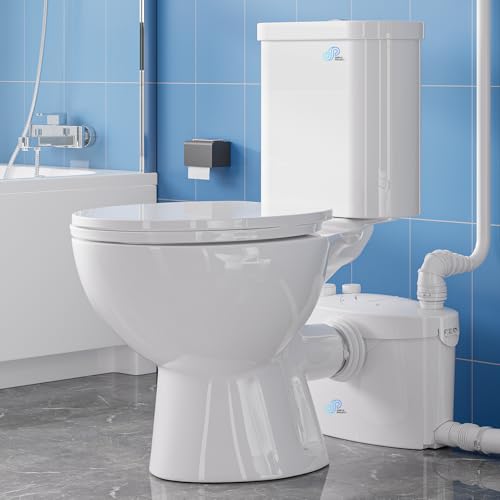
A macerator pump grinds solid waste and moves it through a waste line, which makes the 750W model useful where gravity drainage is difficult. This system can pump waste up to 360 feet horizontally and 36 feet vertically, according to its specifications. The stainless-steel cutting blades also distinguish it from systems designed only to move liquids.
Four water inlets let the unit accept waste from multiple bathroom fixtures, including a toilet, shower, sink, or wash basin. Compared with the 600W Simple Project models later in the list, it carries the higher motor rating and longer stated vertical reach. For a busy basement or a room where several fixtures need to share one outgoing line, that extra routing capability has a practical purpose.
A Few Highlights
- The 750W motor provides a higher stated rating than the 500W and 600W alternatives.
- Four inlets support a shared plumbing route for several fixtures.
- Stainless-steel blades add solid-waste handling to the pump.
- The stated pumping reach suits basements, attics, and other difficult drain layouts.
Practical Considerations
- Installation requires compatible waste lines, inlet plumbing, and adequate clearance around the unit.
- Its greater pumping reach still needs to be matched to local plumbing codes and the actual waste route.
Technical Highlights
Made For
This system best fits homeowners installing a basement bathroom with several fixtures and a long waste route.
Reach For A Different Pick When
Simple Project 500W 4-Inlet may suit a smaller bathroom with a short route and lower flushing needs.
A basement bedroom or home office can benefit from a macerating toilet when the nearest conventional drain is too far away. The rear outlet arrangement and four water inlets give this 600W system room to serve a toilet alongside a shower, basin, or laundry source. That shared-inlet approach is especially useful in a compact bathroom where separate waste lines would crowd the space.
The listing emphasizes quiet operation, which matters in homes where a utility room sits near living space. Compared with the Simple Project 750W Macerator, the motor rating is lower, but the inlet count remains the same. In your view, the practical distinction is likely to be installation scale rather than fixture count, making model fit the deciding factor.
A Favorable Mix
- Four inlets let multiple fixtures share the waste connection.
- The rear outlet supports basement and upflush-style layouts.
- The design targets quieter operation for occupied homes.
- A 600W motor provides useful pumping power without using the highest rating in this roundup.
Points To Note
- The listed specifications do not give the same detailed horizontal and vertical reach as the 750W model.
- You still need to confirm that the room layout provides enough space for the unit, inlet connections, and accessible waste line.
- Noise expectations can vary with the installation, pipe routing, and surrounding construction.
Right Fit For
This model suits you well for a compact basement bathroom where quiet operation and multiple fixture connections matter.
Where Another Pick Suits Better
Simple Project 750W Macerator is the stronger fit for an installation requiring greater stated vertical reach.
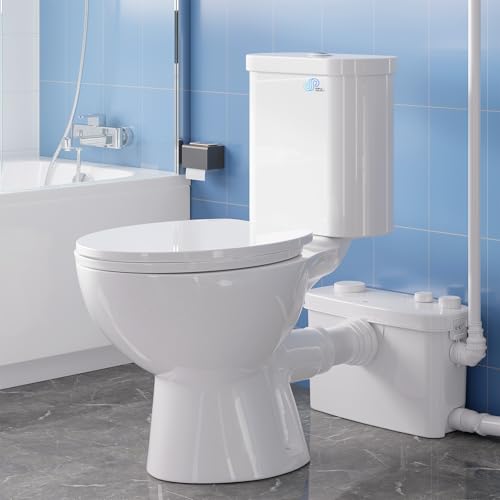
For a basement bathroom with an upflush layout, the 500W system combines a macerator pump, an extension pipe, and four inlets. It can accept waste from fixtures such as a sink and shower, reducing the number of separate routes that need to meet the main line. The stated flushing volume reaches 1.6 gallons per flush, which gives you a useful figure to compare with your local water use and plumbing requirements.
Unlike the 600W and 750W systems, this model uses the lowest motor rating among the installed options, and the listing emphasizes a quiet version. That balance can make more sense in a modest bathroom with a short waste route, provided the pump specifications cover the intended layout. The extension pipe adds installation flexibility, but you should confirm the available space before ordering.
The Case For It
- Four inlets support a shared route for a toilet and additional bathroom fixtures.
- The extension pipe helps position the system around basement plumbing.
- A 1.6-gallon-per-flush rate suits water-conscious bathroom planning.
- The listed quiet design suits rooms near living areas.
Possible Compromises
- The 500W rating is lower than that of the 600W, 750W, and 1000W systems.
- You need adequate room for the extension pipe and the required plumbing connections.
Feature Snapshot
Who Should Grab It
This system fits you best for a small basement bathroom with multiple fixtures and a straightforward waste route.
Swap It Out When
Simple Project 1000W Toilet makes more sense for a basement installation with a demanding vertical lift.
Some waste routes demand more lift than a standard basement system can provide, and this 1000W model addresses that larger pumping requirement. Its stated capability reaches up to 40 feet, exceeding the 36-foot vertical figure offered by the Simple Project 750W Macerator. That extra headroom can make the difference when the available drainage connection sits well above the finished bathroom floor.
The extension pipe and four water inlets allow the system to serve several fixtures while preserving some layout flexibility. The listing also describes a quieter, upgraded design, which matters in a home rather than a workshop. The trade-off is a substantially higher motor rating than the 500W model, so a complex route should justify that specification.
Practical Advantages
- The 1000W motor carries the highest stated rating in the roundup.
- A stated 40-foot lift supports more demanding vertical waste routes.
- Four inlets allow a shared connection for multiple bathroom fixtures.
- The extension pipe adds routing flexibility during installation.
- The upgraded design emphasizes quieter operation.
Trade-Offs To Consider
- Its higher motor rating is unnecessary for many short basement routes.
- You must verify pipe slope, clearances, local requirements, and the full installation footprint.
Whose Shelf It Belongs On
This system suits you for a challenging basement waste route, especially one with a substantial vertical rise.
Look Elsewhere When
Simple Project 500W 4-Inlet is the more practical fit for a compact bathroom with a short waste line.
For a basement where the waste connection runs mainly sideways, this 600W one-piece system focuses on horizontal movement. Its stated pumping distance reaches 295 feet horizontally and 30 feet vertically. That profile differs from the Simple Project 1000W Toilet, which emphasizes a 40-foot lift, so your route’s shape matters more than the motor rating alone.
Three water inlets allow the toilet to share waste lines with a sink, shower, or washing-related fixture. The one-piece format may also appeal when you want a compact, integrated installation in a tight utility area. You still need to allow room behind the unit for connections and maintenance access, and the three-inlet limit makes this less flexible than the four-inlet systems.
The Helpful Details
- The 295-foot horizontal reach supports long lateral waste routes.
- Three inlets cover common supplemental bathroom fixtures.
- The 600W rating offers useful pumping power for a fixed installation.
- The one-piece construction suits space-conscious basement layouts.
Some Limits To Know
- Three inlets provide less connection flexibility than the four-inlet alternatives.
- The stated 30-foot vertical reach is lower than the 36- and 40-foot figures listed for two other models.
- The complete unit and its service clearances need adequate space.
Core Details
The Right Fit
This model fits you best for a space-conscious basement whose main waste line extends farther sideways than upward.
A Better Fit Elsewhere
Simple Project 750W Macerator suits you better when four fixture inlets and greater vertical reach are priorities.
What Matters Before You Choose A Porta Potty System
Separate Portable And Fixed Systems
A bag-based powder and a plumbed macerator solve different problems. You need AOKE Poo Gel for camping, travel, or temporary waste containers, while a Simple Project system serves a permanent bathroom connected to a drain line. Mixing those use cases can leave you with a product that does not fit your waste-handling method.
Check The Waste Route
A macerator’s horizontal reach, vertical reach, and number of inlets determine whether it fits your layout. Measure from the proposed toilet position to the available drainage connection, then account for bends and fittings. For a basement, a longer vertical rise generally points toward a higher-powered model, while a mostly horizontal route may suit the 600W one-piece option.
Match Power To Fixtures
The 500W system offers the lowest motor rating here, while the 1000W model provides the highest. More power can accommodate a more demanding route, but it does not remove the need for compatible plumbing, sufficient clearance, and proper installation. Match the motor and inlet count to the bathroom rather than choosing from wattage alone.
Common Mistakes Worth Avoiding
Wrong Turns To Avoid
Do not treat portable absorbent powder as a flushing system, or assume every macerator can serve the same number of fixtures. Measure the waste route, identify the required inlets, and check local plumbing requirements before ordering. These details prevent an attractive bathroom plan from becoming an installation problem.
When Paying More Pays Off
A higher motor rating becomes useful when waste must travel farther upward or through a more difficult route. The extra capacity can also provide useful margin in a basement with several connected fixtures. For a short, straightforward route, the 500W or 600W options may align more closely with your installation needs.
Frequently Asked Questions
What Is a macerating toilet system?
A macerating toilet system grinds solid waste and pumps it through a dedicated waste line. It makes plumbing possible where the fixture cannot rely on a conventional gravity-fed drain route.
Are macerating toilets suitable for basements?
They can suit basements, attics, and other locations with awkward drainage routes. You need compatible waste lines, adequate clearance, proper connections, and an installation that follows local requirements.
How much power does a macerating toilet need?
The required power depends on pipe length, vertical rise, bends, and connected fixtures. Models in this roundup range from 500W to 1000W, with higher ratings serving more demanding routes.
How many fixtures can connect to one macerator?
The available water inlets determine the number of supported fixture connections. These systems offer either three or four inlets, so you should match the count to your shower, sink, wash basin, and toilet plan.
Can portable toilet gel replace a macerating toilet?
No. AOKE Poo Gel absorbs liquid inside a compatible bag or container, while a macerating toilet pumps waste through installed plumbing.
Final Verdict
Your best fit depends on the environment: AOKE Poo Gel handles remote and temporary use, while the Simple Project systems serve permanent basement bathrooms. Match the model to the waste route, fixture count, available space, and vertical rise rather than focusing on power alone. Make the practical check first, and the purchase becomes much easier to feel good about.