
A hairline crack in a roof tile can look harmless until rain reaches the joint and starts tracing dampness down the ceiling below. Whether you have clay tiles, metal roofing, or a mixed roofline, the right sealant must flex with the surface, resist exposure, and suit the size of the repair. These options serve everything from small cosmetic cracks to broader waterproofing tasks, with several clear finishes designed to preserve the original roof appearance.
How The Shortlist Stacks Up

Titebond Metal Roof Sealant 61831

FURRELOR Clear Water-Based Sealant 17.6 Oz

Seal Bond 400 Hybrid Polymer Construction Sealant, Gray
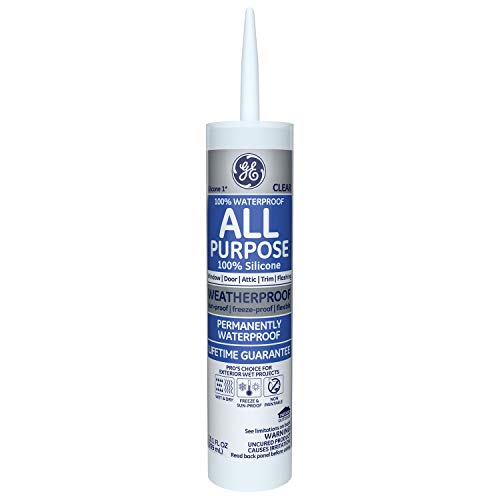
GE Silicone 1 Clear Caulk 12-Pack

Liquid Rubber Black Roof Sealant 2.5 Gallon

Autosel Clear Waterproof Coating 35 oz

Autosel Clear Sealant 70 oz

Liquid Rubber Roof Sealant 1 Quart
A Breakdown Of The Leading Choices
Metal roofing puts sealant against a moving surface, and Titebond WeatherMaster 61831 is built around that reality. Its elastomeric polymer formula remains flexible as the metal expands and contracts, while the stated ±50% joint movement gives you room around panels, fasteners, and flashing points.
That makes this a sensible fit for a metal roof with recurring seam or flashing concerns, especially on exposed buildings where heat, cold, and wind arrive together. Unlike the clear coatings later in this list, its green color is designed to blend more closely with coated metal.
Real-World Strengths
- Adheres to aluminum, copper, galvanized steel, and Kynar-coated metals.
- Flexes through ±50% joint movement without shrinking.
- Accepts damp surfaces and remains usable in hot or cold weather.
- Works around windows, doors, siding, gutters, vents, and foam.
Trade Offs
- The green finish suits metal roofing better than exposed clay or concrete tile.
- A bead-style sealant does not replace a broader waterproof membrane for widespread deterioration.
Key Specs
Made For Metal Roof Repairs
This option suits homeowners and tradespeople handling cracked seams, flashing, vents, or gutters on metal roofs.
A Better Fit Elsewhere
FURRELOR Clear Water-Based Sealant 17.6 Oz better suits a small tile crack where preserving the original surface color matters most.
A transparent film offers a different repair strategy from Titebond WeatherMaster 61831: it leaves the tile texture visible while covering fine cracks. This water-based coating can be brushed, rolled, or poured, so you can match the application method to the damaged area.
For a conservatively styled home, that clear finish is the central advantage. The coating also accepts brick, metal, wood, rubber, and ceramic, making it useful around a mixed roofline or an adjoining wall joint.
Notable Gains
- Dries transparent without changing the roof surface color.
- Spreads into fine gaps and forms a continuous waterproof layer.
- Supports brushing, rolling, or pouring.
- Accepts brick, metal, wood, rubber, and ceramic.
- Can receive additional coats for greater coverage.
Things To Consider
- It is limited to cracks and gaps no wider than 2 mm.
- Application requires temperatures above 50°F, and cold slows curing.
- Rainy or humid conditions are unsuitable, and permanently submerged areas are excluded.
Best Suited To Small Tile Cracks
This sealant fits careful, localized repairs where appearance and a self-leveling clear film take priority.
Consider Something Else When
Titebond Metal Roof Sealant 61831 fits a shifting metal seam better when a green, bead-applied finish is acceptable.
A roof repair does not always involve only roof tiles. Seal Bond 400 also covers exterior seams around siding, windows, doors, and shingles, giving you one hybrid polymer sealant for several connected joints. Its 100% solids formula is designed not to shrink as it cures.
That no-shrink approach matters on exterior construction joints that expand and contract with temperature changes. For a professional property or a home with mixed materials, the broad bonding range offers more flexibility than a product narrowly limited to ceramic tile.
A Strong Showing
- Maintains flexibility without shrinking during curing.
- Bonds to shingles, aluminum, galvanized metal, and vinyl-clad surfaces.
- Handles exterior roof and siding seams in residential or commercial work.
- Resists UV exposure across a stated -40°F to 200°F range.
Practical Considerations
- The gray color is more noticeable on pale or strongly patterned tile.
- Primer is unnecessary on most substrates, but unusual assemblies still warrant a compatibility check.
Technical Sheet
Built With Property Work In Mind
Contractors and experienced homeowners benefit from its broad exterior-seal compatibility and no-shrink formulation.
Where A Sibling Pick Shines
Autosel Clear Waterproof Coating 35 oz better suits a visible crack where the finish must blend into brick, tile, wood, or metal.
Not every roof-tile crack needs a thick waterproof membrane. GE Silicone 1 is a clear silicone caulk for narrow joints, flashing edges, vents, and adjoining trim, where a neat bead can close small gaps without covering the surface texture.
The 12 tubes also make this practical for a household with several small exterior sealing tasks rather than one isolated leak. Its weatherproof sealing role places it closer to flashing maintenance than broad roof restoration, and that narrower purpose should guide your decision.
Useful Highlights
- Clear finish preserves the visible color of the joint area.
- Silicone formula provides a weatherproof seal for exterior use.
Minor Gripes
- A caulk bead is better suited to narrow seams than broad, deteriorated roof areas.
- The 12-pack requires storage for unused tubes and may be more than a single small repair needs.
Who Will Love This
This option suits households wanting one clear sealant for several small roof, vent, window, and trim joints.
Another Choice May Suit
Liquid Rubber Black Roof Sealant 1 Quart suits a low-slope roof area needing a broader rubberized waterproof coating.
A single cracked tile is one problem; a low-slope section with several wet points calls for a different response. Liquid Rubber Black Roof Sealant 2.5 Gallon creates a continuous rubberized membrane across flat, metal, and low-slope roofs, as well as gutters and concrete surfaces.
Its bitumen-based formula and stated elongation above 950% allow the coating to stretch as a building moves or its temperature changes. For a larger repair area, that membrane approach has more practical scope than squeezing clear caulk into individual tile joints.
Positive Takeaways
- Covers flat, metal, and low-slope roof sections.
- Also works on gutters, foundations, concrete, and planter boxes.
- Stretches above 950% to accommodate movement.
- Resists cracking, peeling, and UV damage.
- Forms a continuous waterproof barrier.
Small Caveats
- The black finish changes the appearance of light-colored tile.
- The 2.5-gallon container needs storage space and enough surface area to justify its size.
Feature Snapshot
Right Fit For Larger Roof Areas
This sealant fits property owners covering a meaningful low-slope roof or gutter area with one continuous coating.
Look Elsewhere When
GE Silicone 1 Clear Caulk 12-Pack better suits several narrow household joints where a small tube is more convenient.
The 35-ounce Autosel container is the more compact of the two clear offerings here. Its coating targets small cracks and gaps on concrete, brick, tile, wood, and metal, then dries transparent so the substrate’s color and texture remain visible.
That combination makes it useful for a localized roof-tile repair, especially where a black membrane would look conspicuous. The smaller container is also easier to handle than a gallon-sized coating, although the scope remains narrower than the broad membrane approach used by Liquid Rubber.
What Works In Its Favor
- Leaves concrete, brick, tile, wood, and metal visually unchanged after drying.
- Covers small cracks and gaps exposed to moisture.
- The 35-ounce container is easier to store and handle.
Where It May Fall Short
- It is intended for small gaps rather than missing or displaced roofing pieces.
- A larger repair area may require more coating than this container holds.
Quick Facts
Made For Discreet Local Repairs
This option suits homeowners repairing a small visible crack where a clear coating is preferable to a black membrane.
Swap It Out When
Liquid Rubber Black Roof Sealant 2.5 Gallon suits a wider low-slope roof section where coverage and water resistance outweigh color matching.
Autosel Clear Sealant 70 oz carries the same clear-finish approach as the smaller 35-ounce option, with more coating available for a roof or several adjoining surfaces. It bonds to concrete, brick, tile, wood, and metal while drying without covering their original appearance.
Choose this size for a grouped repair involving multiple tile cracks, a chimney edge, or a wall-to-roof transition. It remains less suited to badly displaced roofing material, since a clear film seals and coats surfaces rather than restoring missing structural pieces.
A Few Highlights
- Forms a transparent waterproof layer over exposed roof and wall areas.
- Adheres to concrete, brick, tile, wood, and metal.
- Offers twice the stated container size of the 35-ounce option.
Practical Considerations
- The clear appearance can make treated areas less obvious during later inspections.
- Surface preparation and adequate curing time remain essential for consistent adhesion.
- It is a coating for cracks and gaps, not a replacement for damaged tiles.
Who Should Grab It
This container suits a careful homeowner addressing several related cracks across visible tile, brick, or wood surfaces.
Reach For A Different Pick When
Titebond Metal Roof Sealant 61831 better suits a moving metal seam where a flexible green bead is less noticeable.
The one-quart Liquid Rubber container keeps the broad membrane benefits of the 2.5-gallon option in a more manageable size. It creates a black rubberized barrier for flat or low-slope roofs, metal surfaces, gutters, foundations, concrete, and planter boxes.
That middle-sized format works well for a targeted gutter run or a defined patch rather than an entire roof. Its stated elongation above 950% helps it follow movement and temperature changes, while the bitumen formula creates a continuous waterproof layer over the prepared surface.
What Helps Most
- Stretches above 950% as the substrate moves.
- Forms a continuous rubberized waterproof membrane.
- Handles gutters, metal, concrete, foundations, and low-slope roofs.
Details To Watch
- The black finish is less discreet on light-colored tile.
- A one-quart quantity may not cover a large roof section, so measure the repair area first.
Core Details
Built With Targeted Repairs In Mind
This option suits property owners needing a substantial but manageable waterproof coating for a gutter or defined roof section.
Where Another Pick Shines
Autosel Clear Waterproof Coating 35 oz better suits a discreet hairline crack where preserving the visible tile color is the priority.
What Matters Before You Seal a Tile Crack
Match the Repair to the Damage
A small surface crack needs a different product from a larger deteriorated roof section. Clear coatings and caulk can cover narrow gaps, while rubberized membranes suit broader waterproofing areas. Inspect the tile from the attic and outdoors before deciding how much material the repair needs.
Consider the Roof Material
Metal, clay, concrete, wood, and brick each present different adhesion and movement requirements. Titebond WeatherMaster 61831 targets metal, while FURRELOR and Autosel products support broader clear-finish applications across masonry and tile.
Check Flexibility and Movement
Elastomeric means the material can stretch and recover without losing its sealing function. That matters on roof surfaces exposed to daily temperature swings, especially where sealant sits over a joint that does not remain perfectly rigid.
Think About Visibility and Coverage
A transparent film preserves the appearance of the roof, while a black rubber coating creates a distinct surface. Clear products suit discreet repairs, and black coatings work well on low-slope roofs or gutters where appearance carries less weight.
Common Roof-Sealing Errors to Avoid
Mistakes Worth Dodging
Avoid treating every crack as a problem for sealant alone. A loose, displaced, or broken tile may need physical repair or replacement first. Also check the stated gap limits, temperature range, curing conditions, and compatible substrates before opening the container.
Where The Extra Coverage Pays Off
A larger container becomes more useful when several adjoining surfaces need sealing or a repair extends beyond one joint. The extra material helps create consistent coverage, but it offers no benefit when the actual defect is narrow and the finish must remain nearly invisible.
Frequently Asked Questions
Can sealant fix a cracked roof tile?
Sealant can cover a small crack or seam when the tile remains securely positioned and the product suits the material. A displaced, broken, or badly deteriorated tile needs physical repair or replacement rather than sealant alone.
What type of sealant works best for clay roof tiles?
A flexible sealant compatible with clay, masonry, or the surrounding roof assembly is the practical choice. Clear options help preserve the tile color, while color-matched or neutral finishes work well on less visible joints.
Can clear waterproof sealant be applied in cold weather?
Application temperature depends on the chosen product. FURRELOR Clear Water-Based Sealant 17.6 Oz requires conditions above 50°F, and cold slows curing, so check the label before working in winter conditions.
Is a rubberized roof coating better than clear caulk?
A rubberized membrane better suits a broader waterproofing area, while clear caulk or coating better suits narrow gaps and visible joints. The larger area needs more coverage and usually changes the surface color.
How much sealant does a roof crack repair need?
Coverage depends on the crack length, application method, number of coats, and the product’s own spreading rate. Measure the area and follow the stated application guidance rather than estimating from container size alone.
Final Thoughts
Start with the size and material of the repair, then let visibility and surface movement narrow your options. Clear coatings suit small, noticeable cracks, while metal-specific and rubberized products handle shifting seams and broader waterproofing tasks. Match the product to the surface, respect its application limits, and replace any damaged tile that sealant cannot support.