
A basement bathroom often has plumbing that sits below the existing sewer connection, leaving a standard toilet unable to drain properly. Your solution may be a tall comfort-height toilet, an upflush system, or a macerating pump that moves waste through a compact pipe route. Each approach suits a different basement layout, installation plan, and household.
The Essentials At A Glance

HOMLYLINK 19-Inch Compact Tall Toilet

SUPERFLO 600W Macerating Toilet System

Miuara Compact 19-Inch Skirted Tall Toilet
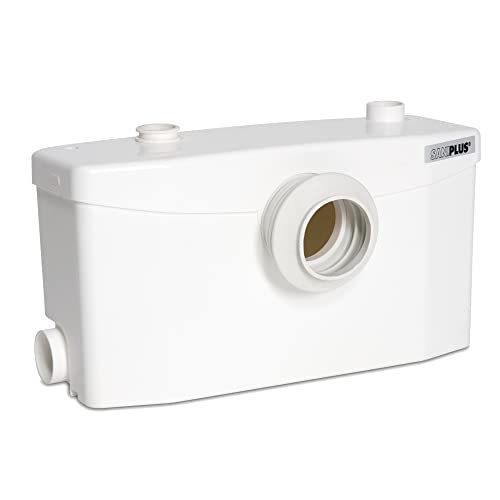
SFA SANIFLO Saniplus Macerating Pump

SFA SANIFLO Saniaccess 3 Macerating Pump
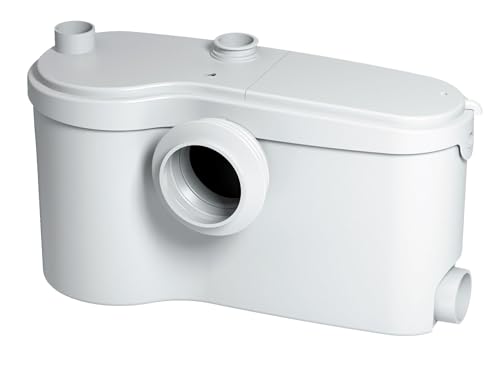
SFA SANIFLO Sanibest Pro Grinder Pump
The Picks, Examined More Closely
A 19-inch seat makes this a practical comfort-height choice for a basement bathroom shared by someone with limited mobility. Unlike the pump-based options, it needs a conventional gravity drainage route, so your existing floor and sewer layout determine whether it fits.
The two-piece design combines a 1.1 or 1.6 gallon flush with a removable soft-close seat. The package includes the bowl, assembled tank, seat, wax ring, and installation hardware, which gives you a more complete starting point than a loose fixture or pump alone.
The Value In It
- The 19-inch seat height reduces the downward movement required to sit, a meaningful benefit for taller adults or anyone with joint discomfort.
- Dual flush controls let you select 1.1 gallons for lighter use or 1.6 gallons for heavier waste.
- Hidden siphon jets direct water around the bowl, supporting effective clearing and easier routine cleaning.
- The detachable soft-close seat reduces slamming and allows you to clean beneath it more easily.
Practical Considerations
- Check the 27.36-inch depth against your available wall clearance, and confirm the drain position before ordering.
Feature Snapshot
Made For
This model suits households wanting an accessible toilet in a basement with conventional, code-compatible drainage.
A Better Fit Elsewhere
The SUPERFLO 600W Macerating Toilet System fits better when gravity drainage cannot reach the available sewer connection.
A macerating system breaks waste into pumpable material, then moves it through a small discharge pipe. This SUPERFLO model handles waste from a toilet, sink, or shower through three inlets, making it a practical way to build a compact full bathroom where conventional plumbing is awkward.
Its 600W pump can move discharge up to 26 feet vertically or 262 feet horizontally. In a finished basement, that routing flexibility may matter more than the toilet’s traditional styling, particularly when a low ceiling or limited wall space rules out a standard gravity layout.
Positive Points
- Three inlets support a coordinated bathroom installation without separate pump units for every fixture.
- The one-piece bowl and soft-close seat save space and reduce the noise of a dropped lid.
- Activated charcoal pads help manage odors without requiring a separate ventilation pipe connection.
- Generous vertical and horizontal reach makes the system more adaptable to a basement’s plumbing path.
Things To Consider
- Measure the complete discharge route, including turns and connection points, before settling on the system.
- You still need access to the pump, electrical connection, and all three fixture inlets for future service.
Quick Facts
Right Fit For
This system fits DIY renovators adding a full bathroom beneath an existing sewer line or tight utility area.
Reach For A Different Pick When
The HOMLYLINK 19-Inch Compact Tall Toilet is simpler for a basement with conventional drainage and no need to pump waste.
Miuara takes a different approach from the HOMLYLINK model by wrapping the base in a skirted profile and combining the tank and bowl as one fixture. The result is 14 inches wide and 24.6 inches deep, useful in a basement bathroom where every inch affects door clearance and usable floor space.
Its seat stands at 19 inches, while the bowl itself is 18.3 inches high. A dual flush offers 1.0 or 1.28 gallons, and the one-piece ceramic body removes the seam between tank and bowl, which makes routine wiping more straightforward.
Advantages To Know
- The skirted base gives the compact fixture a clean profile and keeps exposed plumbing out of view.
- Tornado flushing, a glazed trap way, and large flow openings support waste movement through the bowl.
- The smooth, low-porosity glaze resists visible staining and simplifies everyday cleaning.
- A soft-close seat and lid reduce nighttime noise and lower the risk of a sudden slam.
Small Caveats
- The 12-inch rough-in requirement means the drain hole must sit at that distance from the finished wall.
- Confirm the 24.6-inch depth, especially near a doorway or vanity.
- The one-piece design may make replacement more involved than replacing components on a two-piece toilet.
Built With In Mind
This fixture suits compact, accessible bathrooms where a skirted appearance and conventional gravity drainage are priorities.
Another Choice May Suit
The SUPERFLO 600W Macerating Toilet System suits you better when the basement drain sits well beyond a standard 12-inch rough-in.
The Saniplus is a pump rather than a complete toilet, so it belongs in a basement bathroom designed around separate fixtures. It processes black water from a toilet and gray water from sinks or a shower, giving you a coordinated drainage system without relying on gravity alone.
Its 15-foot vertical and 150-foot horizontal reach offers more routing flexibility than a typical basement bathroom layout can use. Hardened stainless steel cutting blades are the key construction detail, while the compact pump housing leaves the room’s design centered on the connected fixtures.
Everyday Wins
- Dual-purpose handling supports a toilet, sink, and shower within one full-bathroom system.
- The stainless steel blades are suited to sustained grinding work in a compact pump housing.
- Reaching below a sewer line or across a long horizontal run opens up more basement layouts.
Points To Note
- This is a macerating pump, not a toilet, so you need separate bathroom fixtures and compatible connections.
- Your discharge pipe must remain within 15 feet vertically or 150 feet horizontally of the pump.
Technical Highlights
Who It Suits Best
This pump fits renovators creating a full bathroom around separate toilet, sink, and shower fixtures.
Where Another Pick Shines
The SFA SANIFLO Saniaccess 3 Macerating Pump may suit you better when convenient service access is your priority.
The Saniaccess 3 shares the Saniplus’s full-bathroom role, but its access panels create a clearer advantage for maintenance. Panels positioned around the pump can provide a practical route to internal components, which matters in a finished basement where replacing a concealed unit could mean damaging finishes.
It handles toilet waste along with sink and shower discharge and can reach 15 feet below the sewer line or 150 feet from a soil stack. That makes it a sensible alternative to a gravity toilet, though it remains a pump system rather than a standalone toilet.
Real Benefits
- Access panels make key pump components more approachable for inspection and service.
- Black and gray water handling supports a complete bathroom arrangement.
- Hardened stainless steel blades provide the core cutting mechanism for a demanding grinding task.
- The vertical and horizontal reach supports several common below-sewer installation routes.
Trade Offs
- You still need separate fixtures and must plan the pump’s physical enclosure carefully.
- The installation remains limited to 15 feet of vertical lift and 150 feet of horizontal travel.
Who Will Love This
This pump suits experienced renovators who want a full-bathroom system with planned service access.
Swap It Out When
The HOMLYLINK 19-Inch Compact Tall Toilet is easier for you to install when conventional drainage already reaches the sewer line.
The Sanibest Pro is aimed at a more demanding arrangement than a single-fixture bathroom. Its 1 HP motor and grinder system support toilet waste, sink drainage, shower discharge, and laundry equipment, making it relevant to basements that combine a bathroom with utility functions.
Compared with the Saniplus and Saniaccess 3, its defining distinction is application breadth and heavy-duty construction rather than a stated increase in pumping distance. You will still need to establish the required lift and run for your particular installation before this pump earns a place.
Practical Pluses
- The 1 HP motor supports demanding grinding work across several wastewater sources.
- One system can serve bathroom fixtures and a laundry connection, reducing the need for separate pumping equipment.
- Black and gray water handling makes it suitable for full residential or commercial installations.
- Its heavy-duty grinder design suits projects with a heavier waste-handling requirement.
Honest Caveats
- Confirm vertical lift, horizontal run, pipe sizing, and connection requirements with the installation plan.
- A combined bathroom and laundry setup needs adequate service space around the pump.
Core Details
The Right Fit
This pump fits homeowners and property professionals combining a basement bathroom with laundry or other demanding wastewater lines.
Look Elsewhere When
The SUPERFLO 600W Macerating Toilet System fits you better for a compact single-fixture setup with a predefined discharge route.
What Matters Before You Choose a Basement Toilet
Start With the Drainage Route
Your existing plumbing is the first constraint. A standard toilet works with gravity drainage, while an upflush toilet or macerating pump needs a discharge pipe, sufficient vertical rise, and a route toward the sewer or soil stack. Measure from the drain to the wall and record every vertical and horizontal change.
Decide Between a Fixture and a System
The HOMLYLINK and Miuara toilets are complete fixtures for conventional drainage. The SUPERFLO system combines a toilet with pumping equipment and three fixture inlets. The three SFA SANIFLO options are pumps that work with separate fixtures, giving you more layout freedom but requiring enclosure and connection planning.
Match Height and Clearance
A 19-inch seat can make sitting and standing more comfortable, especially for taller adults or people with limited mobility. Compact dimensions help with door clearance, but bowl width, overall depth, and service access still need to fit. Sketch the room rather than relying on the toilet’s narrowest measurement.
Plan Access and Maintenance
A macerating pump contains moving parts that need occasional attention. You benefit from an enclosure with removable panels, a reachable electrical connection, and enough space to remove the unit. In a finished basement, service access can matter as much as pumping reach.
Common Mistakes in Basement Bathroom Upgrades
Where Shoppers Go Wrong
A common error is choosing a toilet before checking the sewer elevation. Another is estimating pipe distance by a straight line and overlooking turns or vertical drops. You also risk choosing a compact pump without leaving room for access, so measure both the route and the service area.
What Separates Premium From Basic
A heavier-duty grinder or more capable motor matters for laundry lines, combined fixtures, or frequent use. Basic systems may suit a single toilet with a straightforward route. The sensible upgrade is the one your actual wastewater load and service layout require, not simply the largest motor in the category.
Frequently Asked Questions
Can I install a regular toilet in a basement?
Yes, when the floor drain sits at a workable height and the sewer connection has the correct slope. A gravity-fed toilet remains the simplest installation, but pipe depth and local plumbing requirements must support that arrangement.
What is a macerating toilet system?
A macerating toilet system grinds waste and pumps it through a small pipe. It can move waste upward or across longer horizontal distances, making it useful when basement drainage sits below the available sewer connection.
Are tall toilets harder to install?
Not inherently, but you must confirm the bowl height, floor clearance, drain location, and room measurements. A 19-inch seat changes the position of the user rather than the basic waste connection.
How much clearance does a macerating pump need?
Allow room for the connected fixtures, discharge pipe, electrical connection, and removable service panels. Access space lets you inspect or remove the pump without dismantling finished walls.
Should I choose an upflush toilet or a full-bathroom pump?
Choose an upflush toilet for a focused installation with a defined pipe route. A full-bathroom pump better serves a toilet, sink, shower, or laundry arrangement, but it demands more careful system planning.
Final Verdict
Your basement layout, not the fixture label, should drive the decision. Conventional drainage favors a tall toilet, while a challenging pipe route makes an upflush system or macerating pump the more sensible choice. Match the system to the wastewater load, available service space, and realistic installation path, and your decision becomes much clearer.